 NorthWest Wa
Japanese Games: Hanafuda & Shichinarabe
Our founder lived in Japan for 13 years, and these are two classic card games you will find in homes all over the country: hanafuda “flower cards” and Shichinarabe, Japan's version of Sevens. Learn a little history, pick up the rules, then play both right here for free.
Hanafuda (花札): a short history
Playing cards reached Japan with Portuguese traders in the mid-1500s; the word karuta comes from the Portuguese carta. Japanese makers soon produced their own copies, known as Tenshō karuta after the Tenshō era (1573–1592).
Under the Tokugawa shogunate, cards were repeatedly restricted or banned, mostly because of their link to gambling. Card makers kept changing the designs, and by the late 1700s to early 1800s a new kind of deck had appeared: twelve suits of flowers and plants, one for each month, with no numbers on the cards at all. Historians still debate exactly how and when it emerged.
In 1889 Fusajiro Yamauchi opened a small shop in Kyoto making hand-crafted hanafuda. That business grew into a company the world knows well today, a fun reminder that some of the biggest names in gaming started with flower cards.
How the deck works
A hanafuda deck has 48 cards: 12 months × 4 cards. Each month has its own flower. Cards come in four kinds:
- Brights (光, hikari), 5 cards: the crane, curtain, moon, rain man and phoenix. Worth the most.
- Animals (種, tane), 9 cards: birds, the boar, deer, butterflies, plus the sake cup and the iris bridge.
- Ribbons (短冊, tanzaku), 10 cards: three red poem ribbons (Jan–Mar), three blue ribbons (Jun, Sep, Oct) and four plain red ones.
- Plain cards (カス, kasu), 24 cards: just the flower.
| # | Month flower | Special card | The four cards |
|---|---|---|---|
| 1 | Pine | Crane & sun | 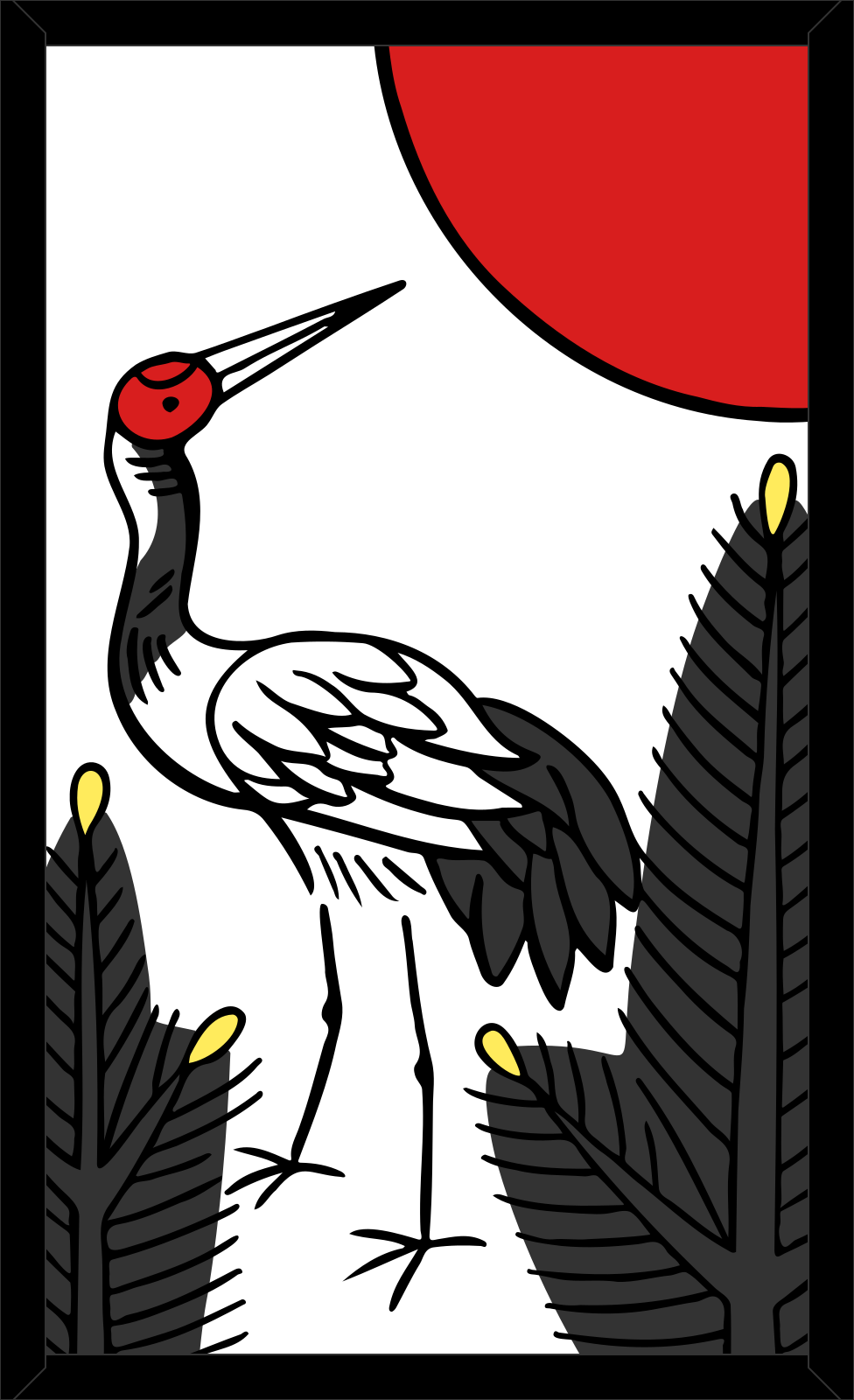 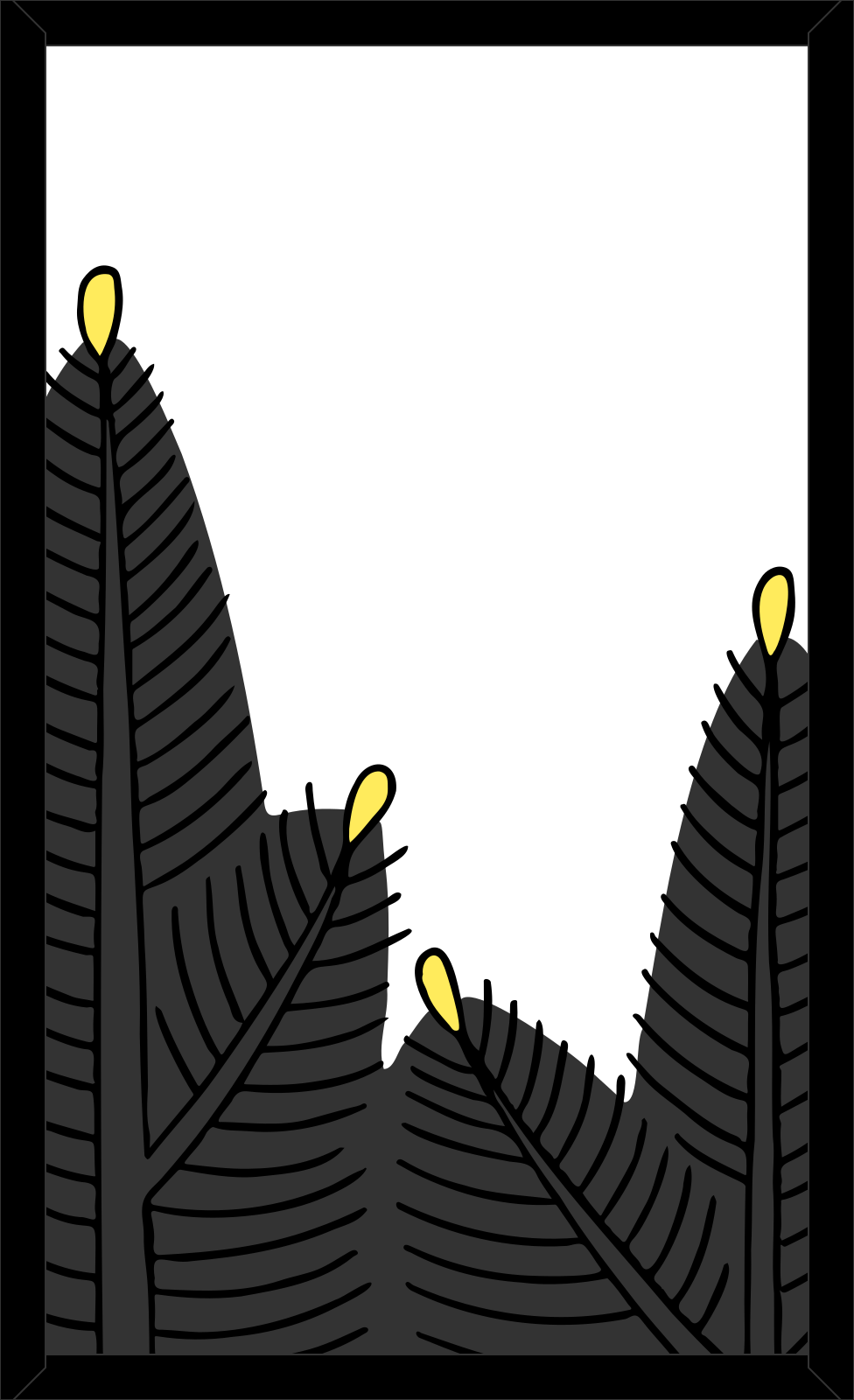 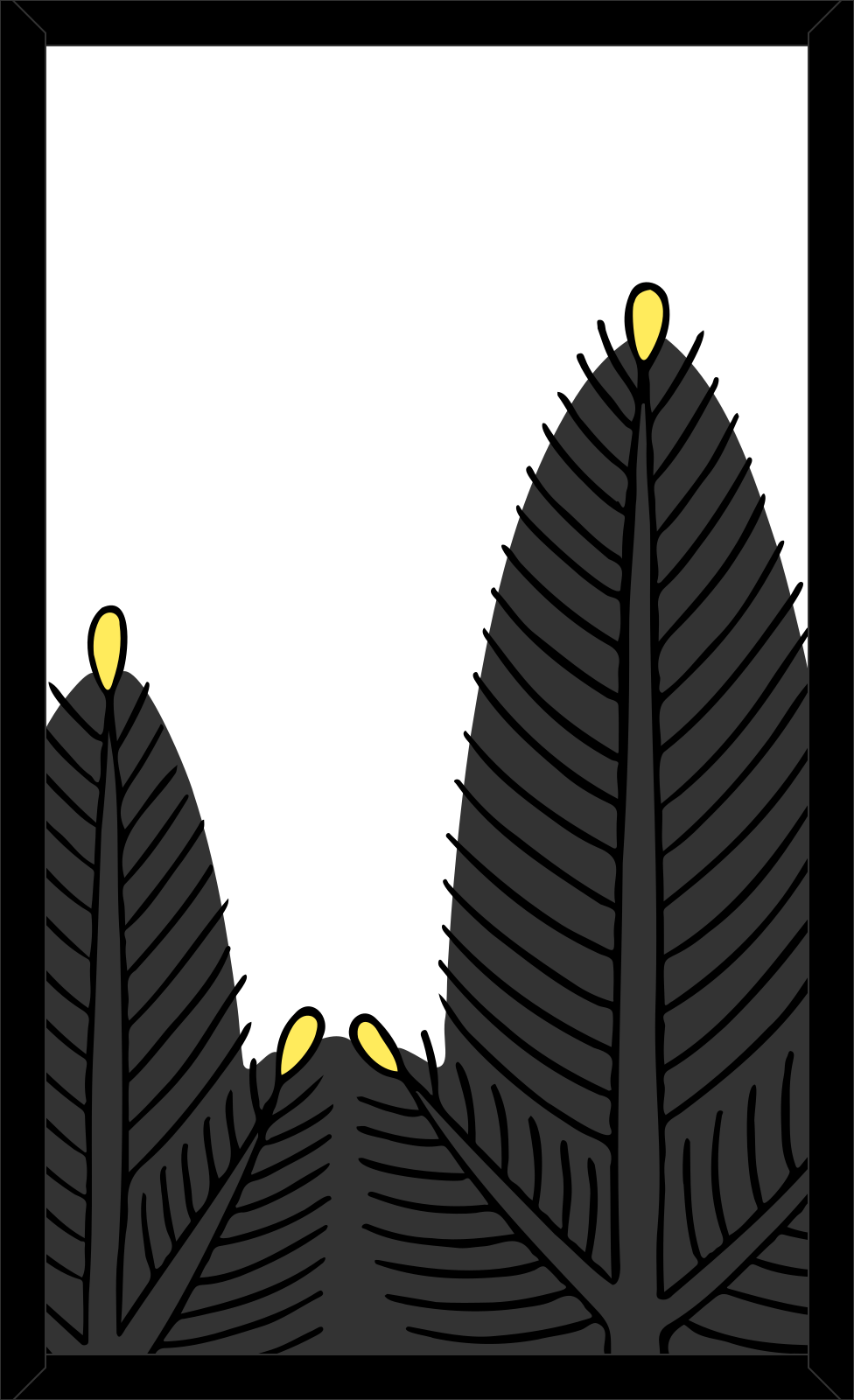 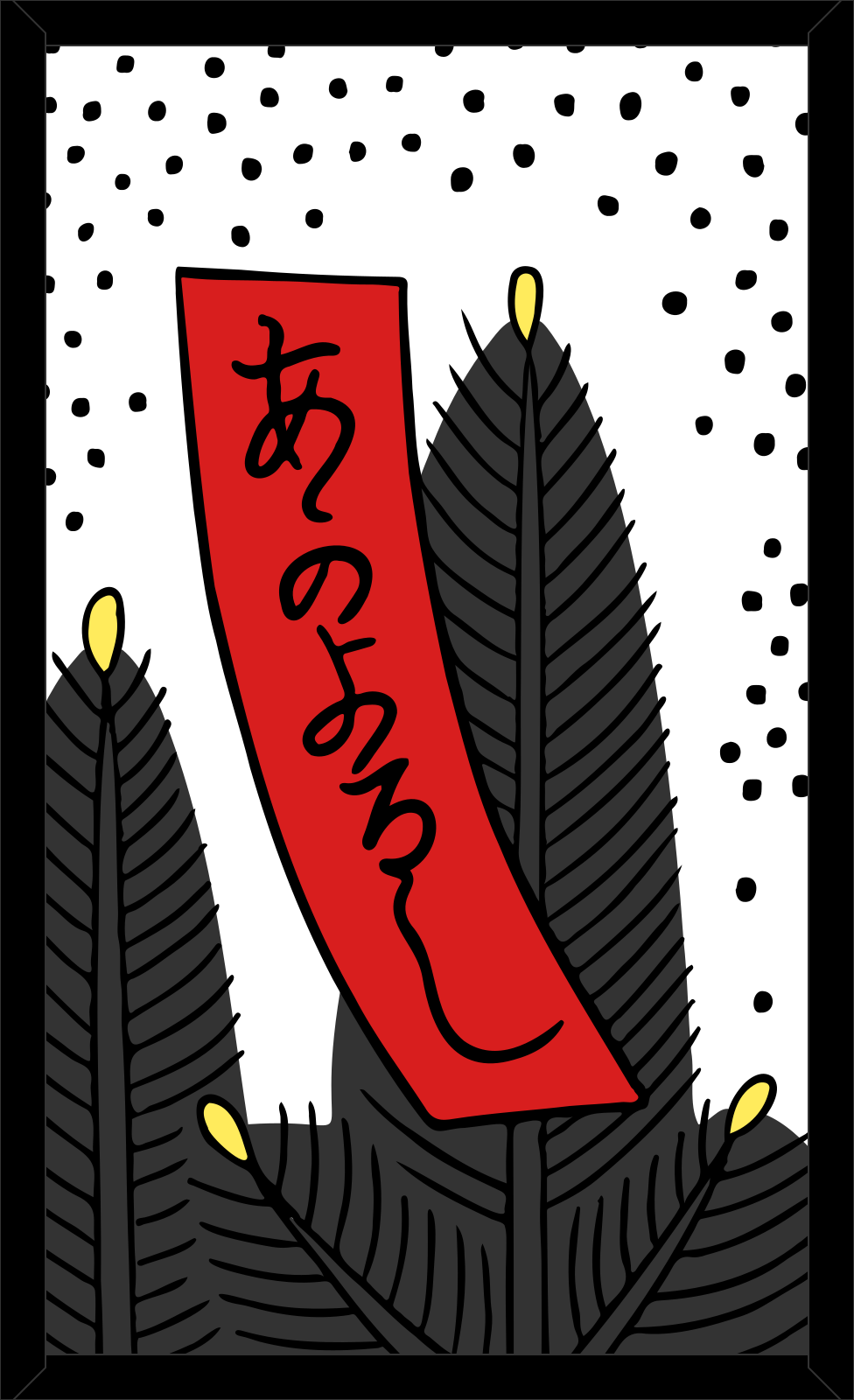 |
| 2 | Plum | Bush warbler | 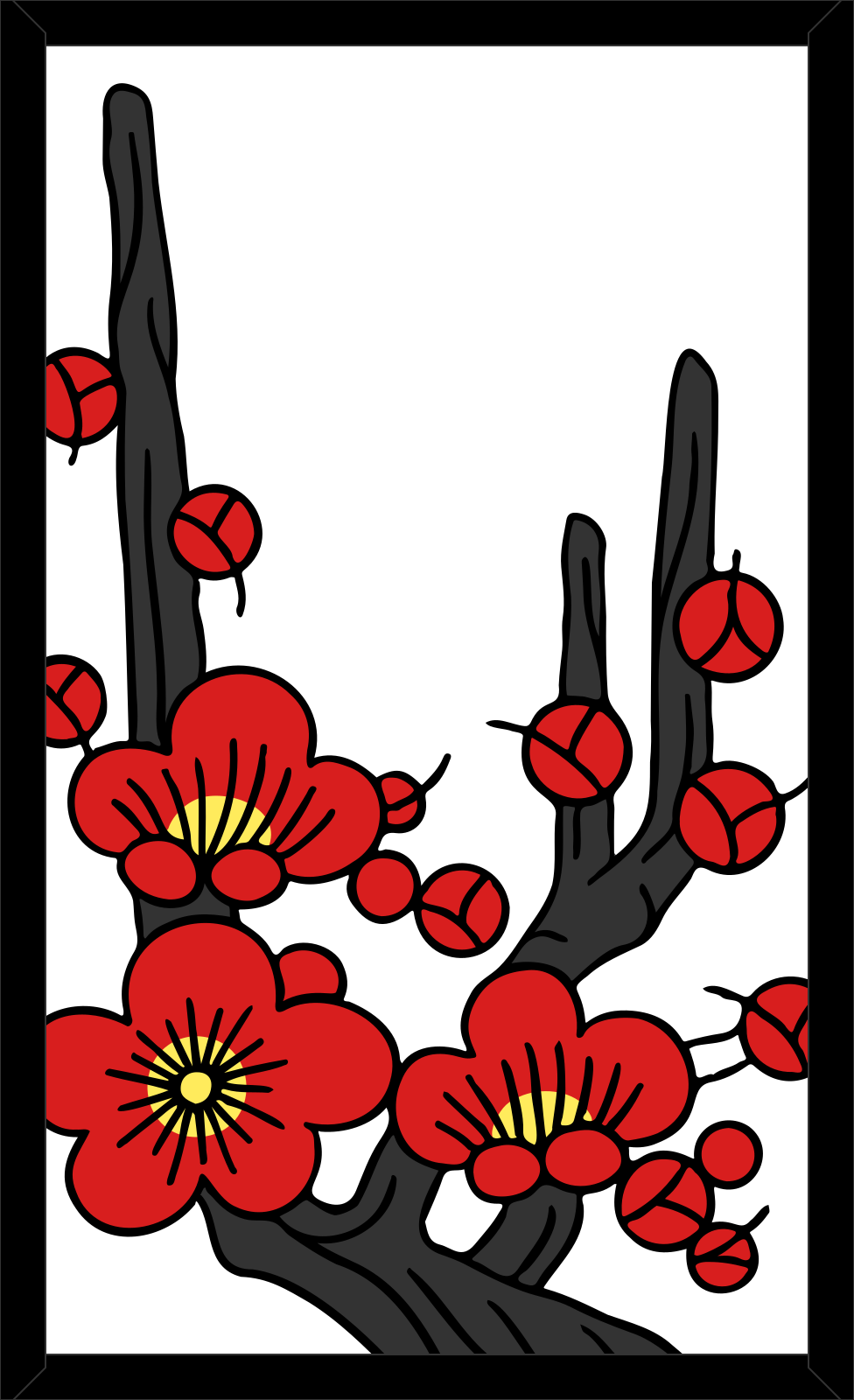 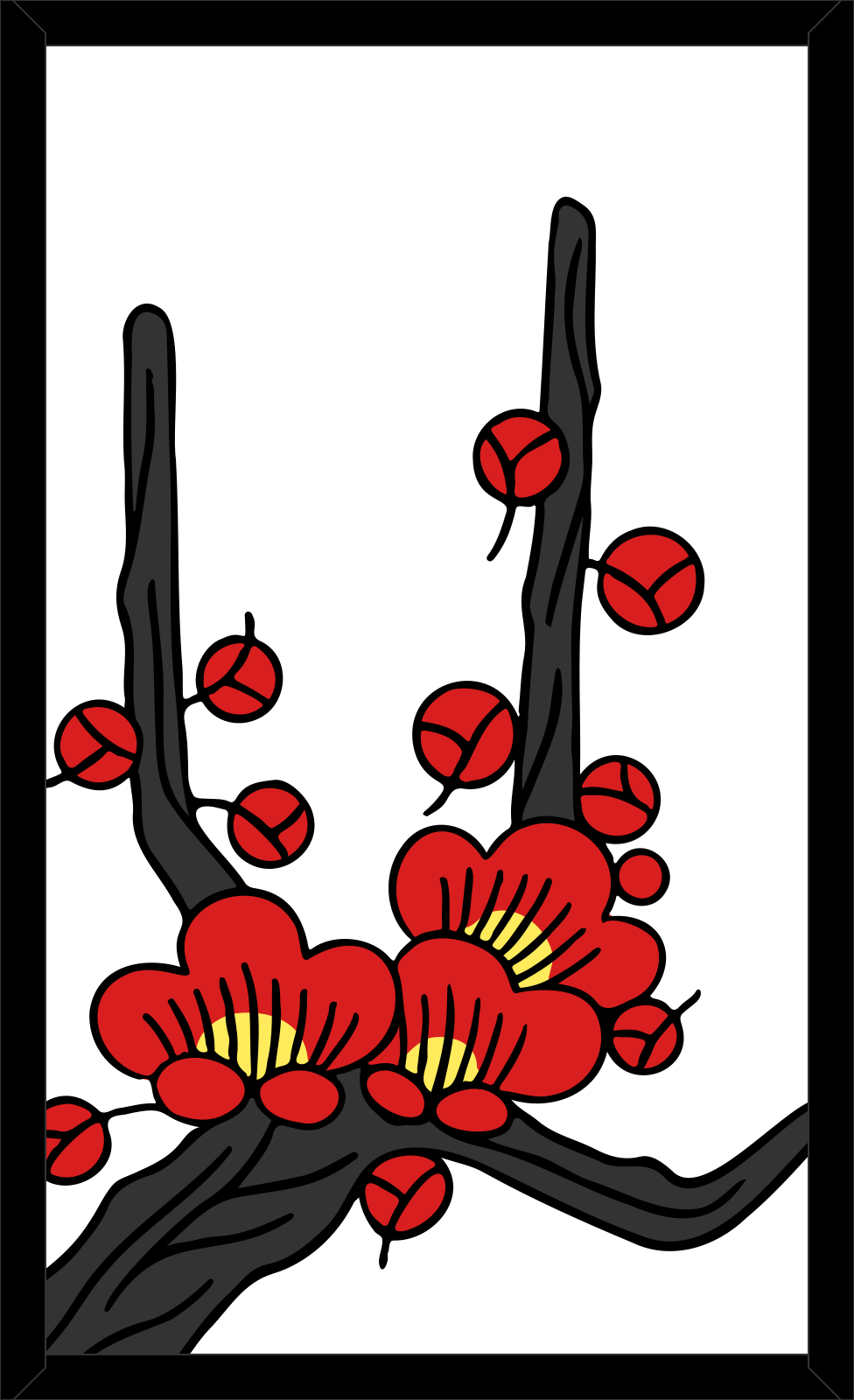 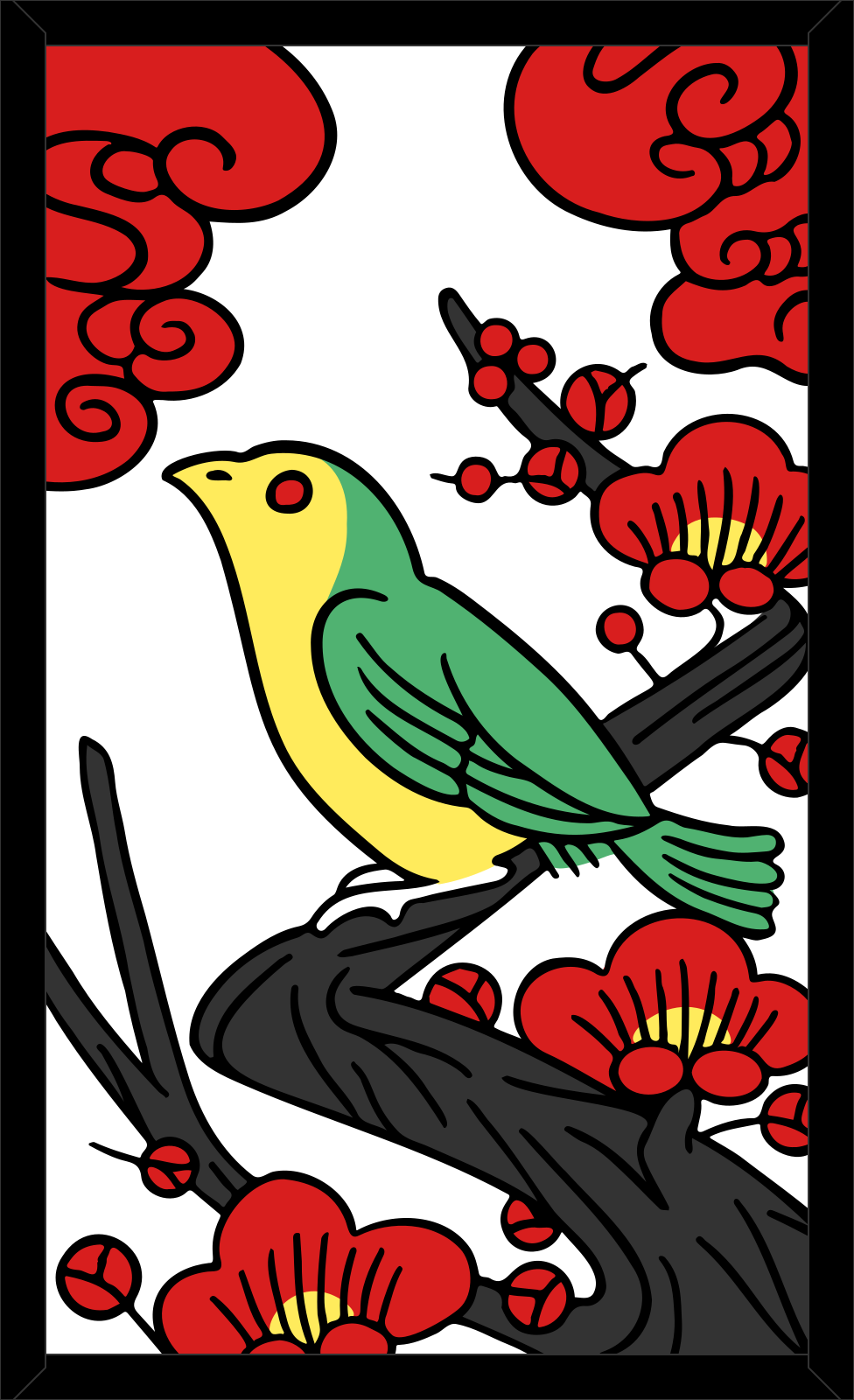 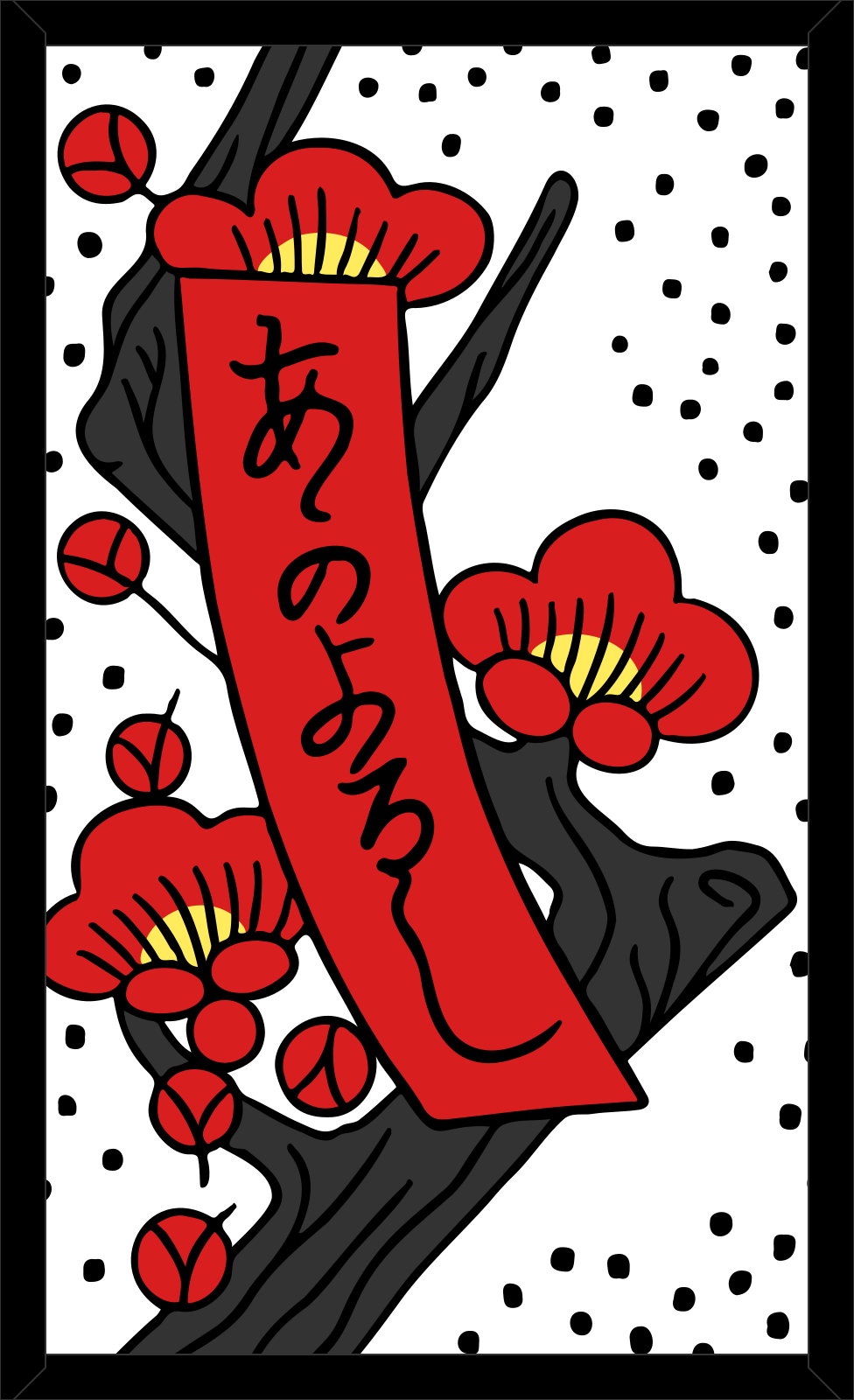 |
| 3 | Cherry | Curtain | 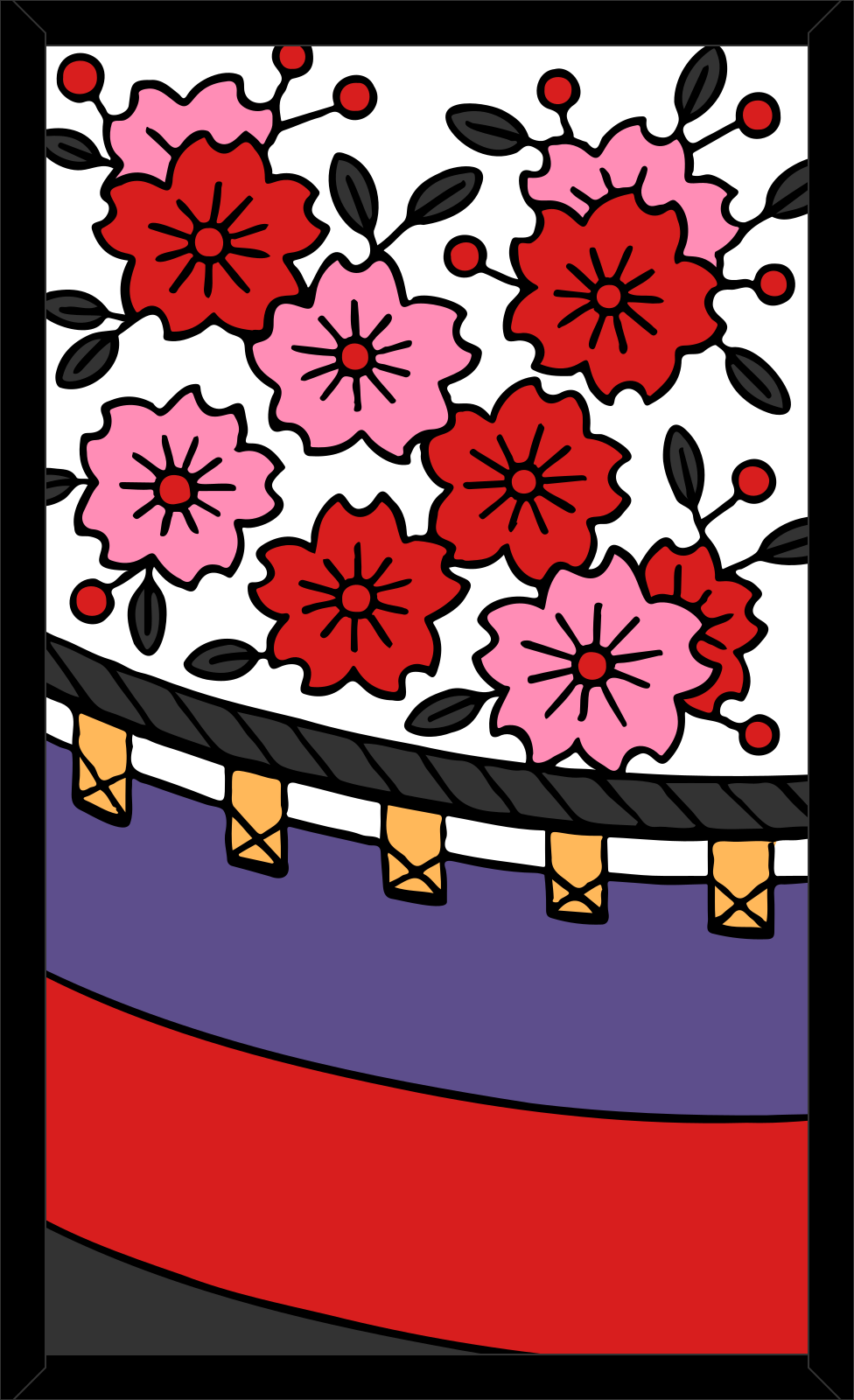 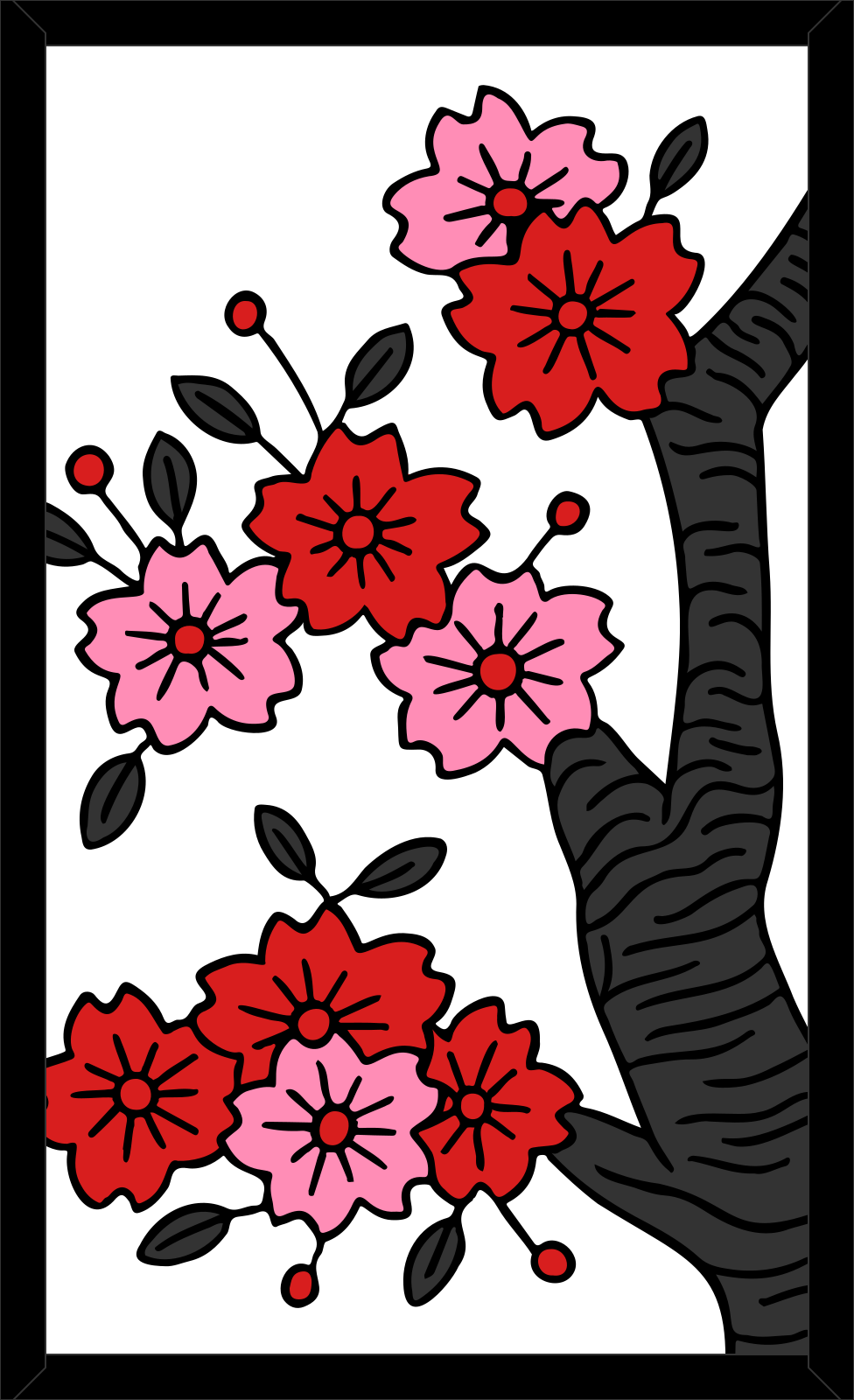 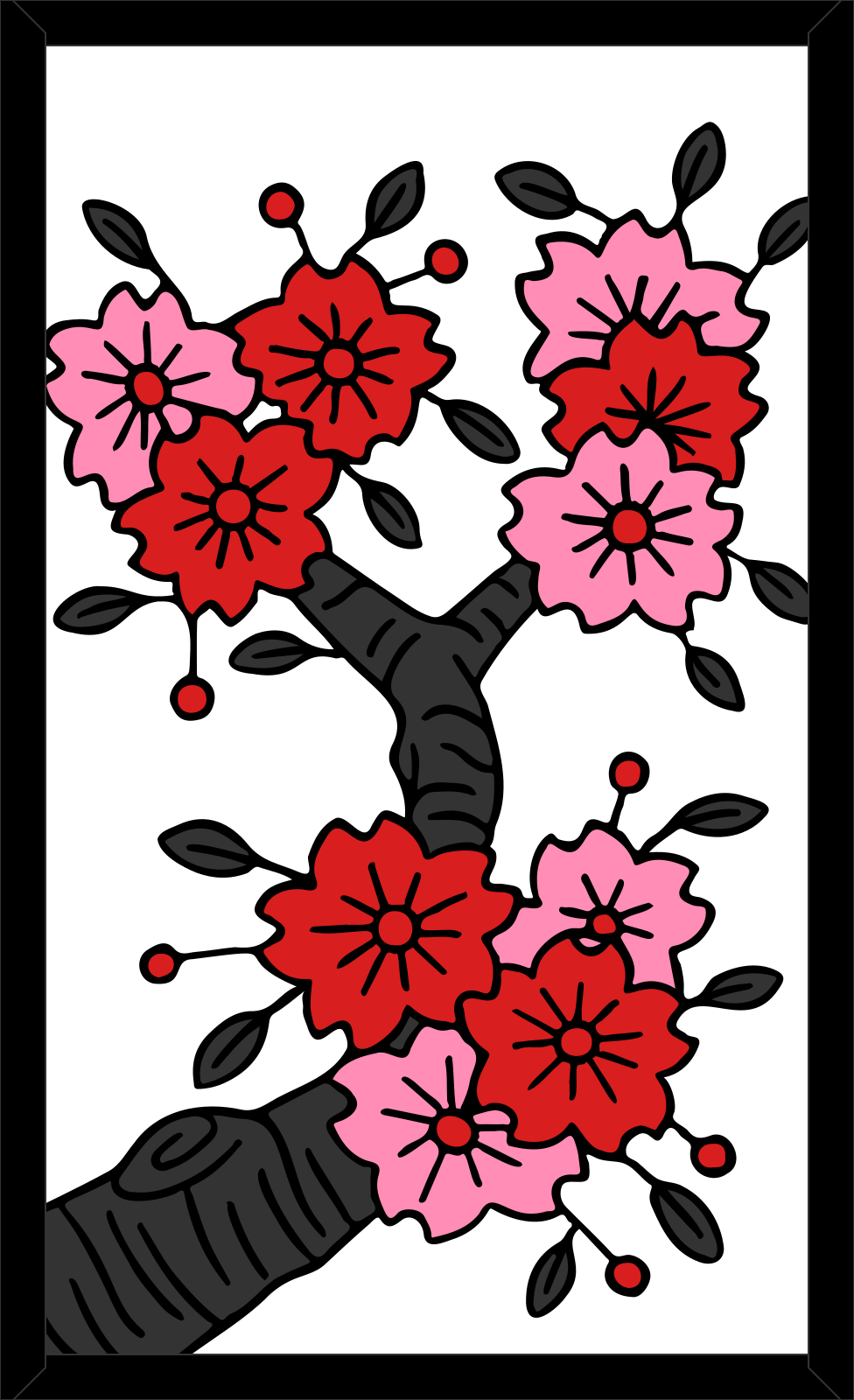 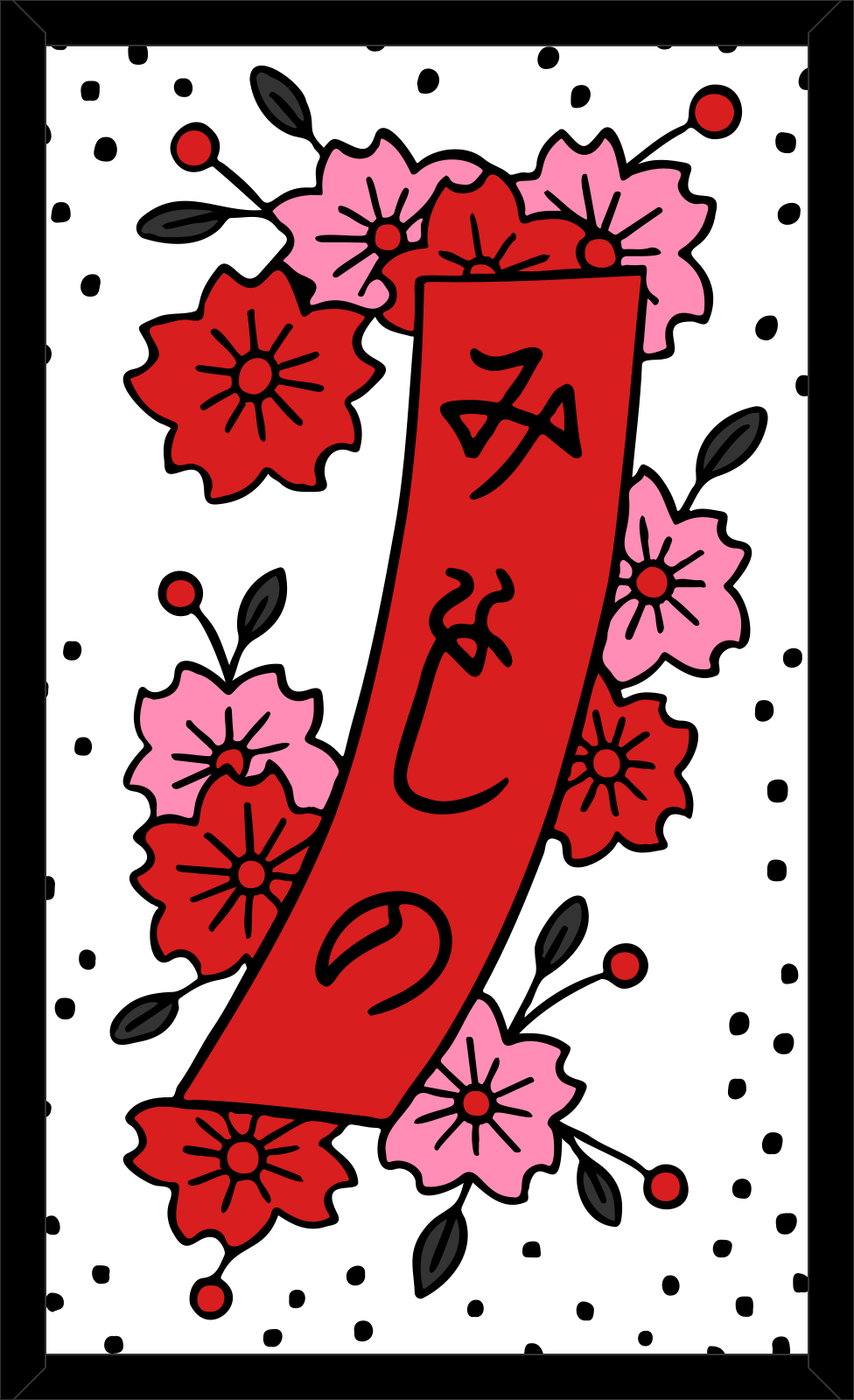 |
| 4 | Wisteria | Cuckoo | 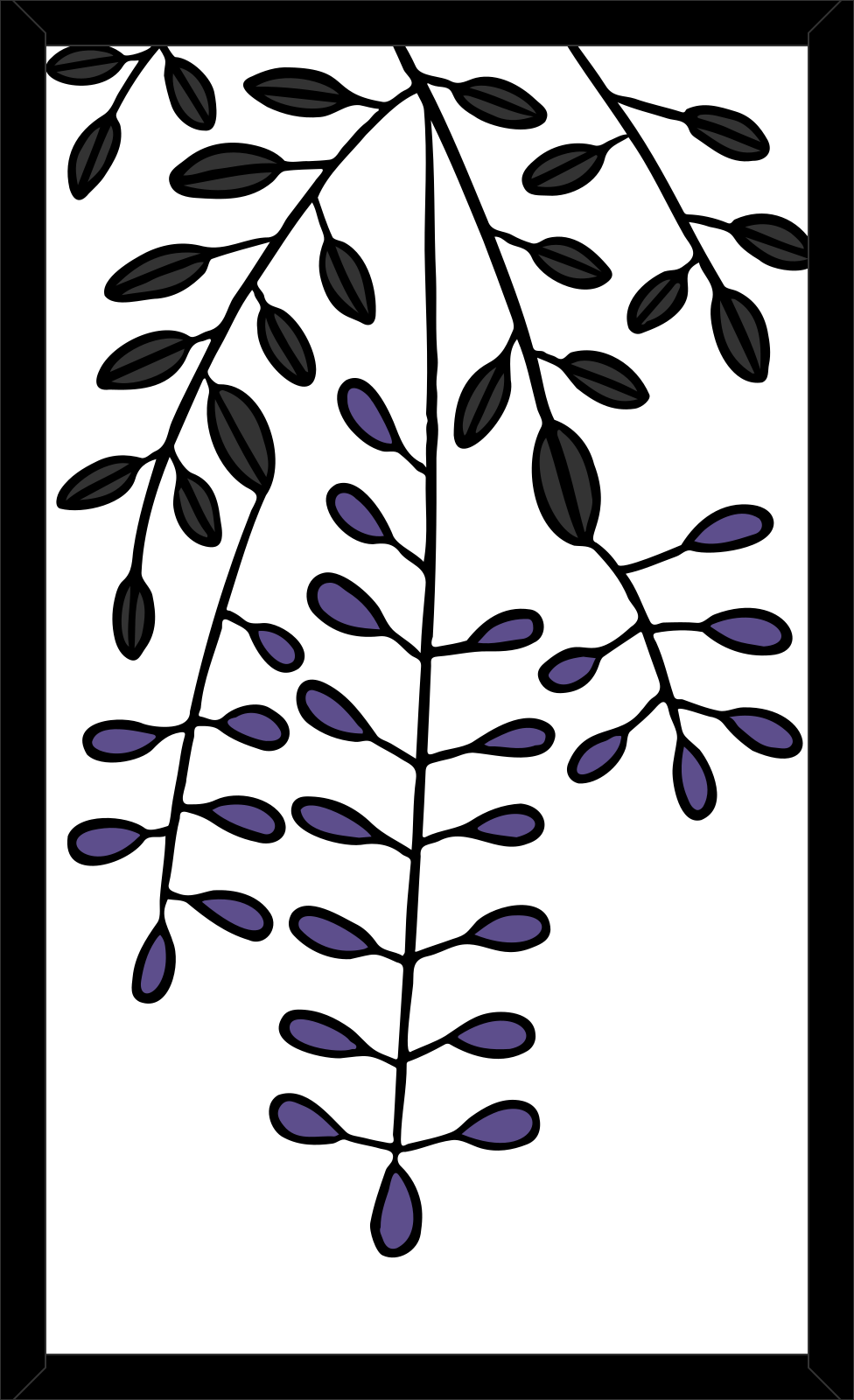 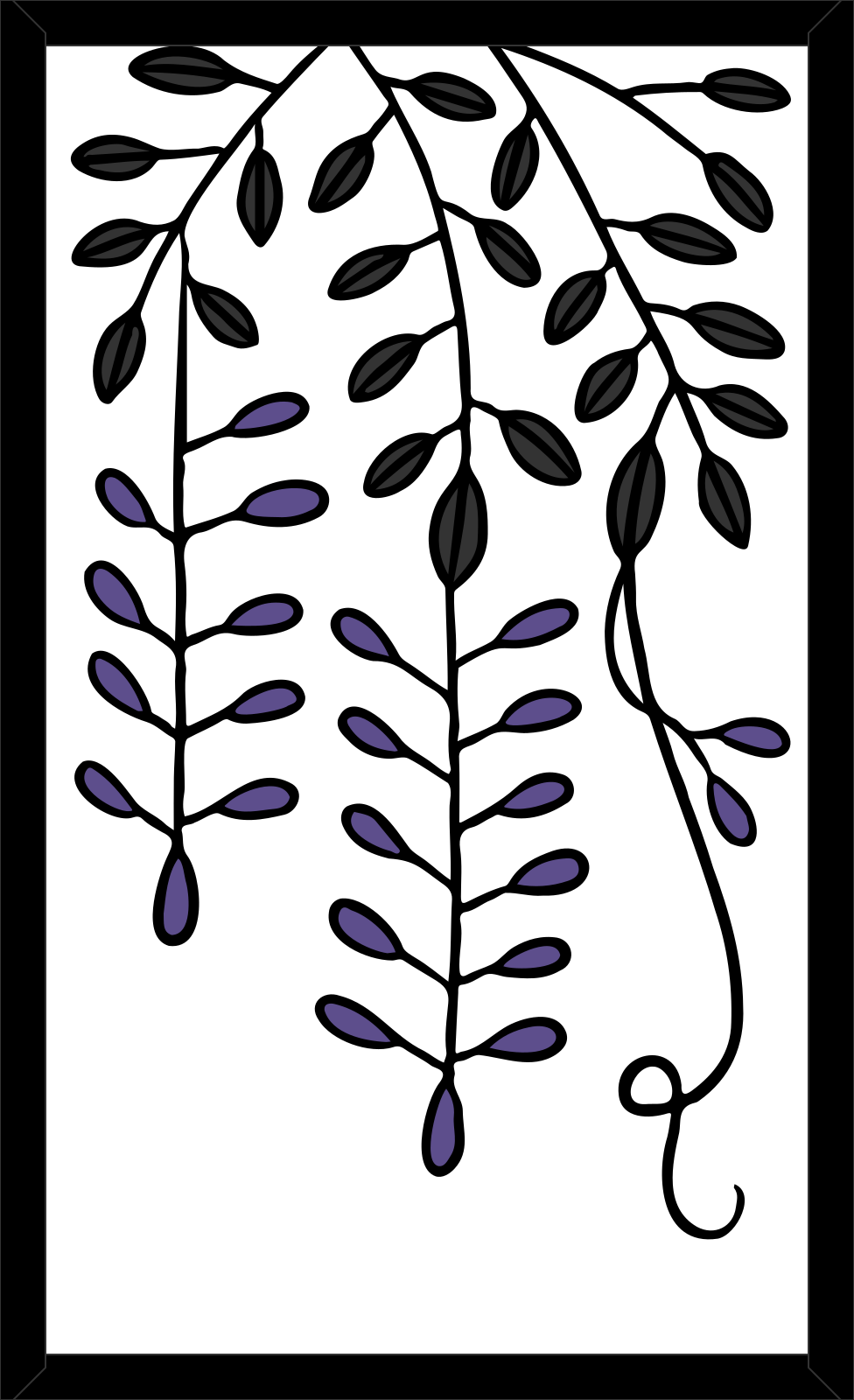 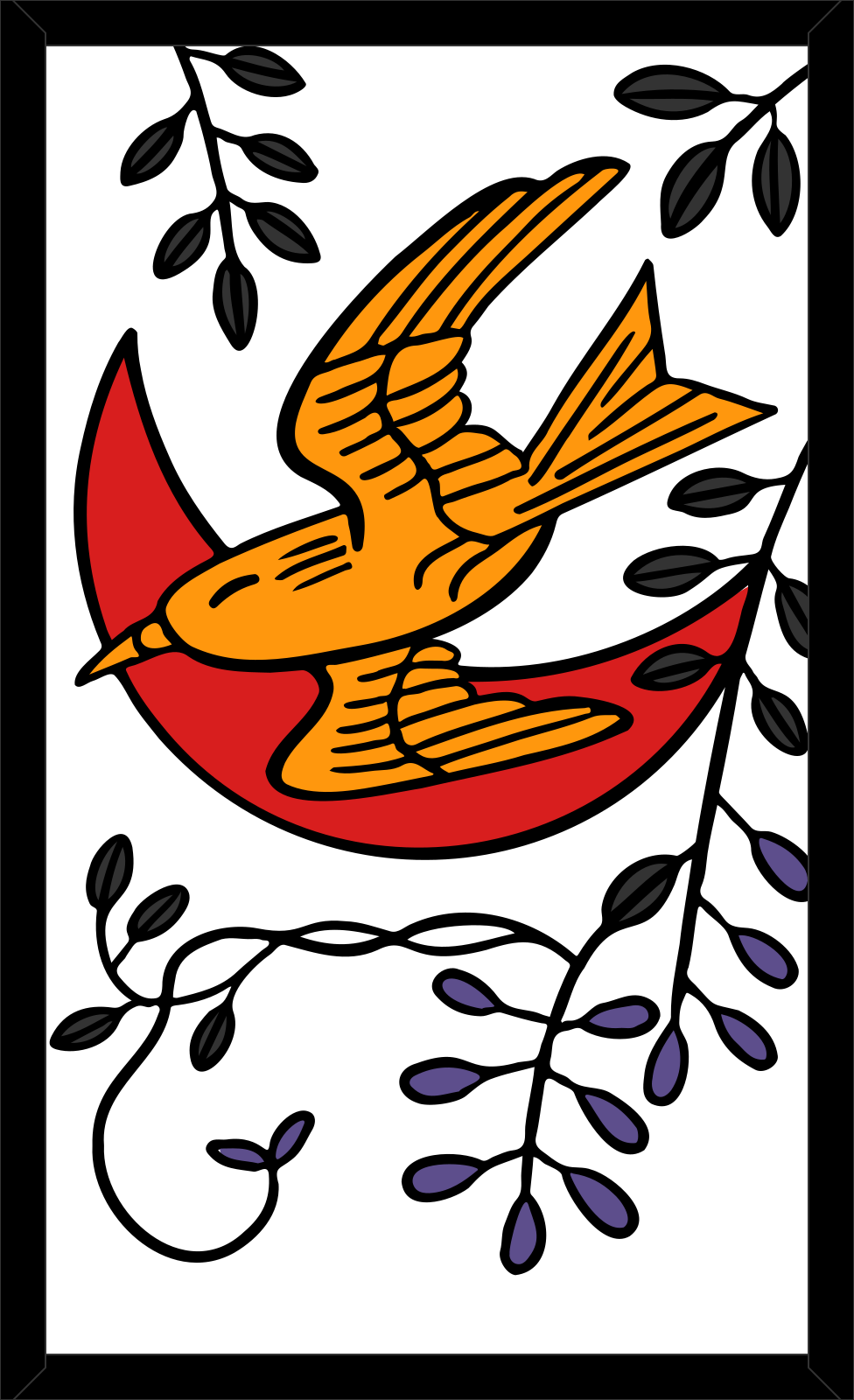 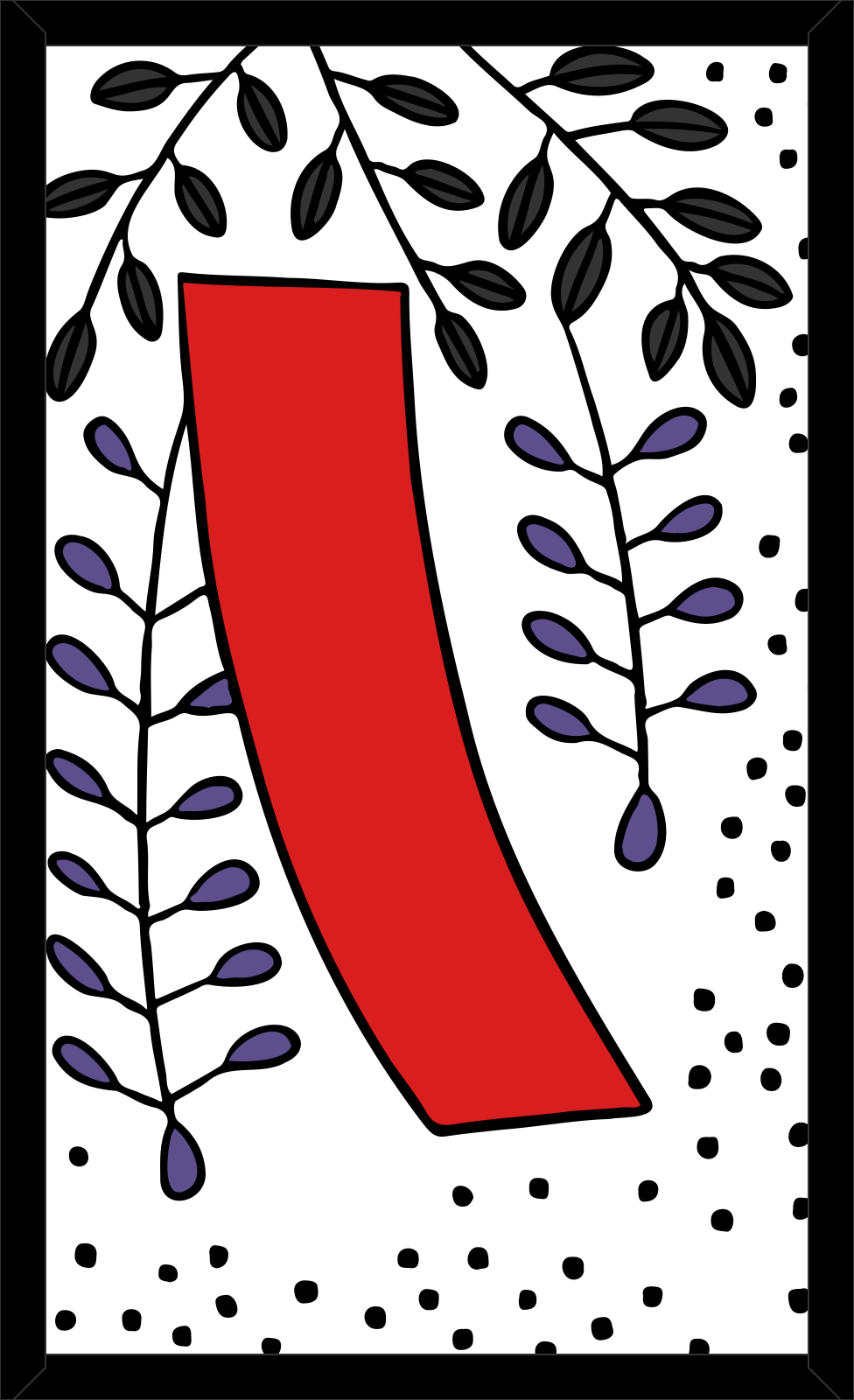 |
| 5 | Iris | Eight-plank bridge | 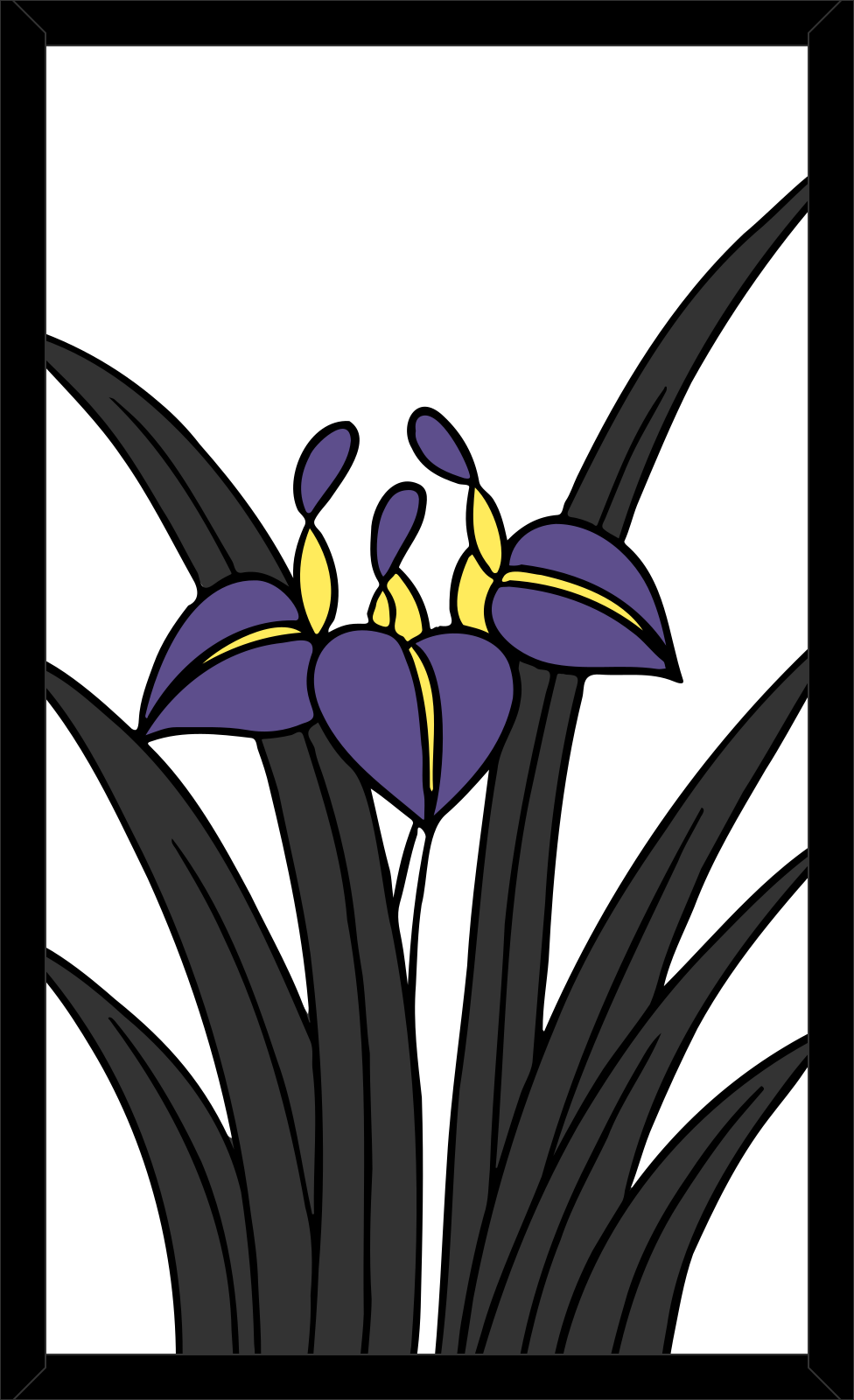 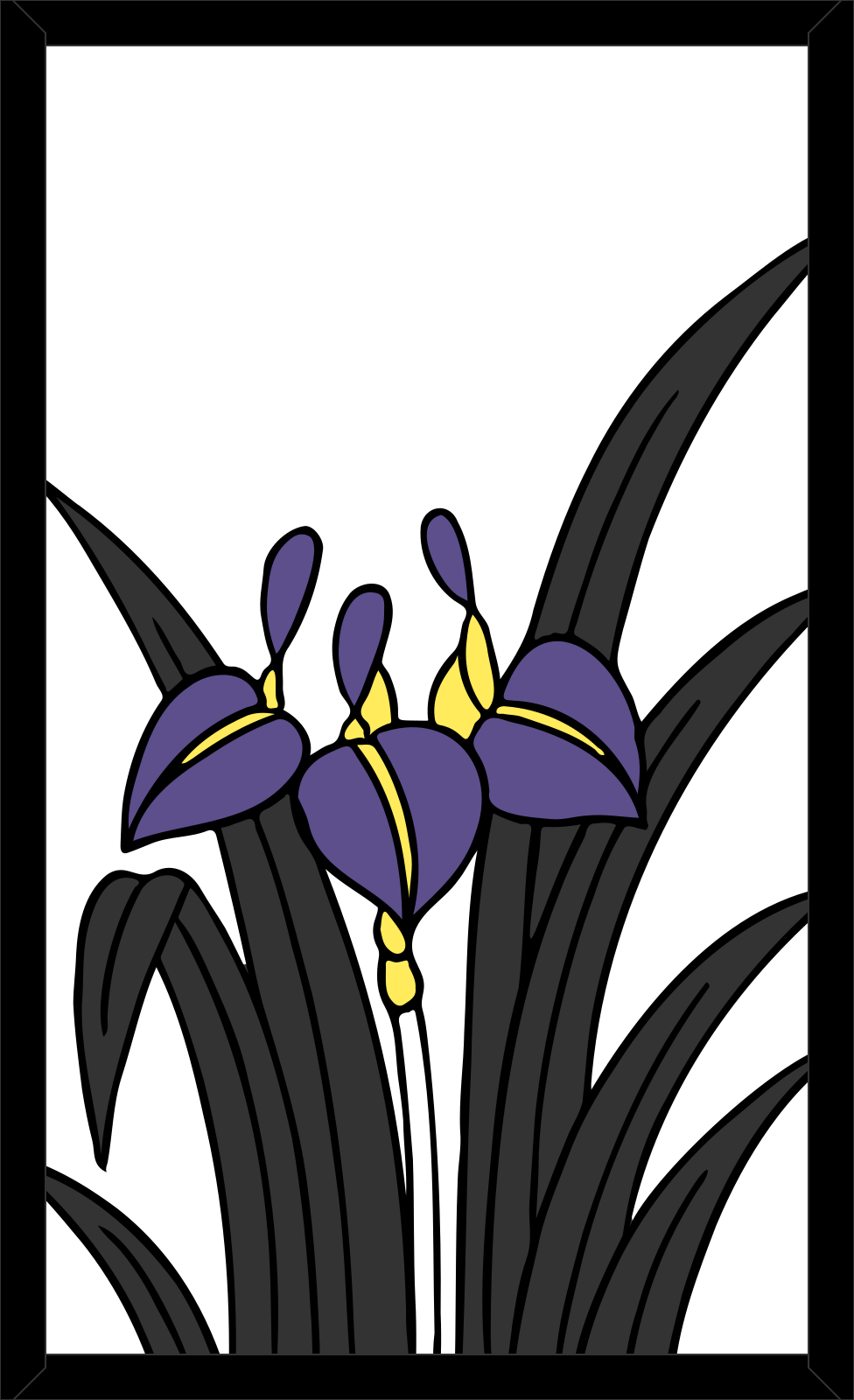 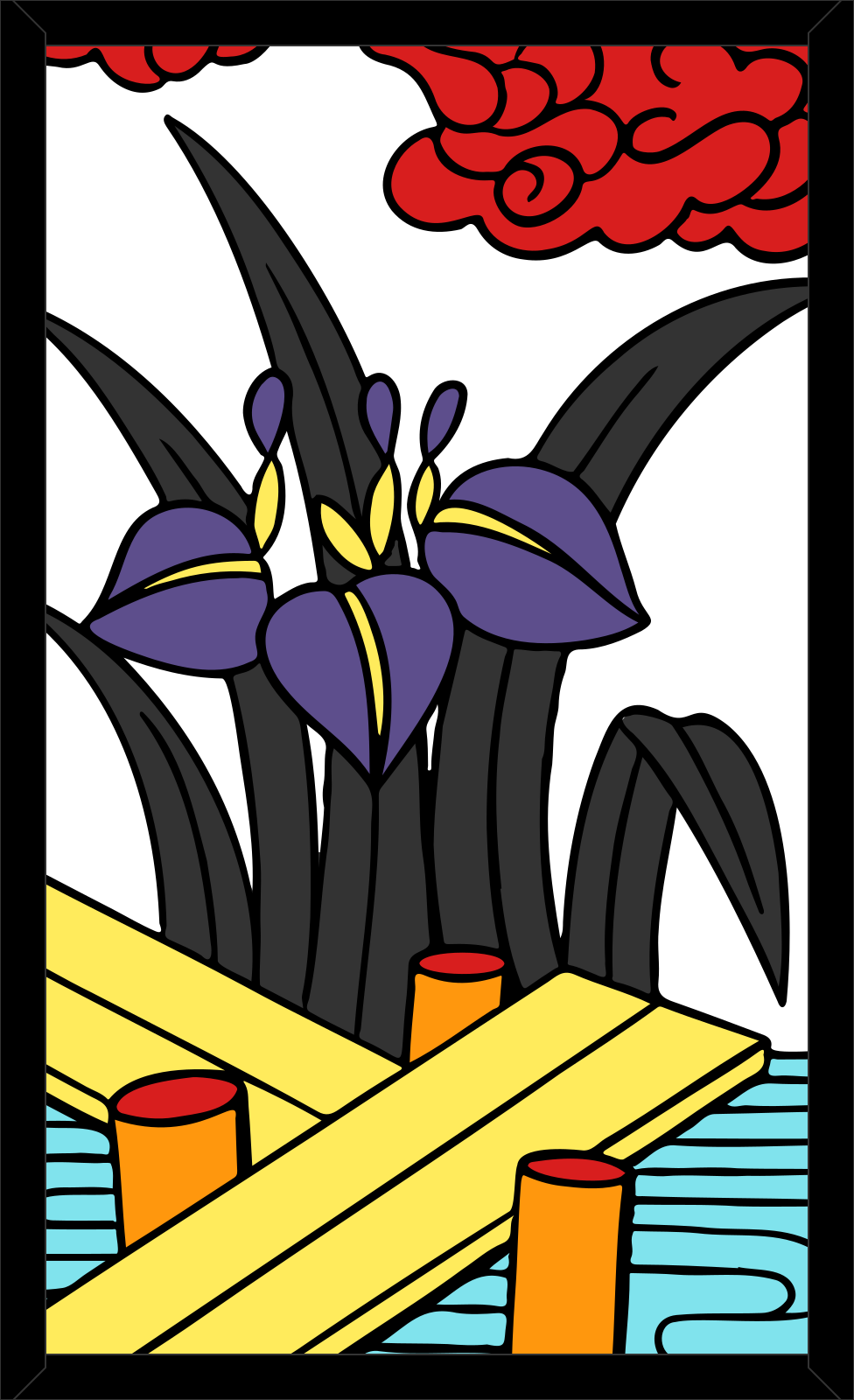 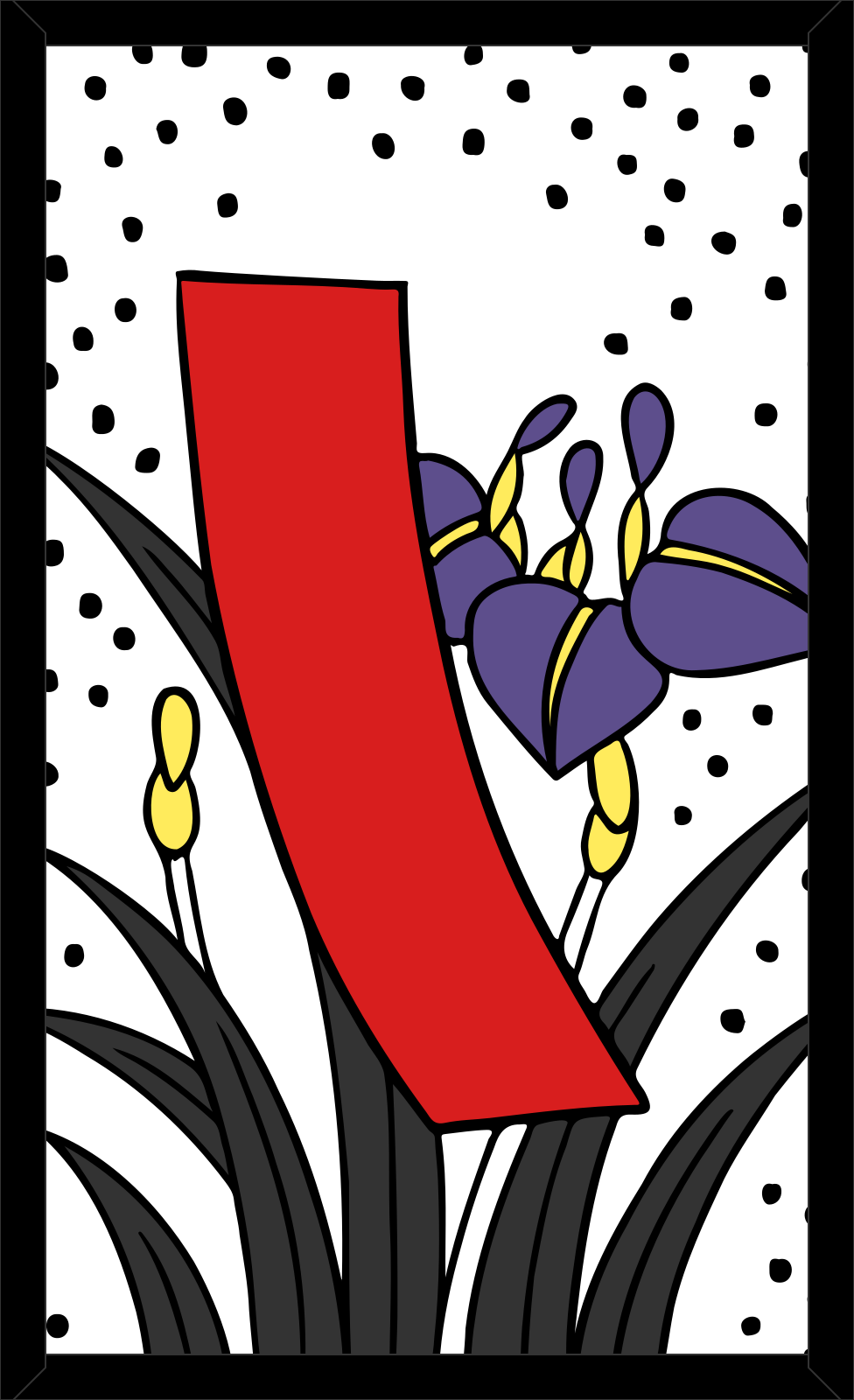 |
| 6 | Peony | Butterflies | 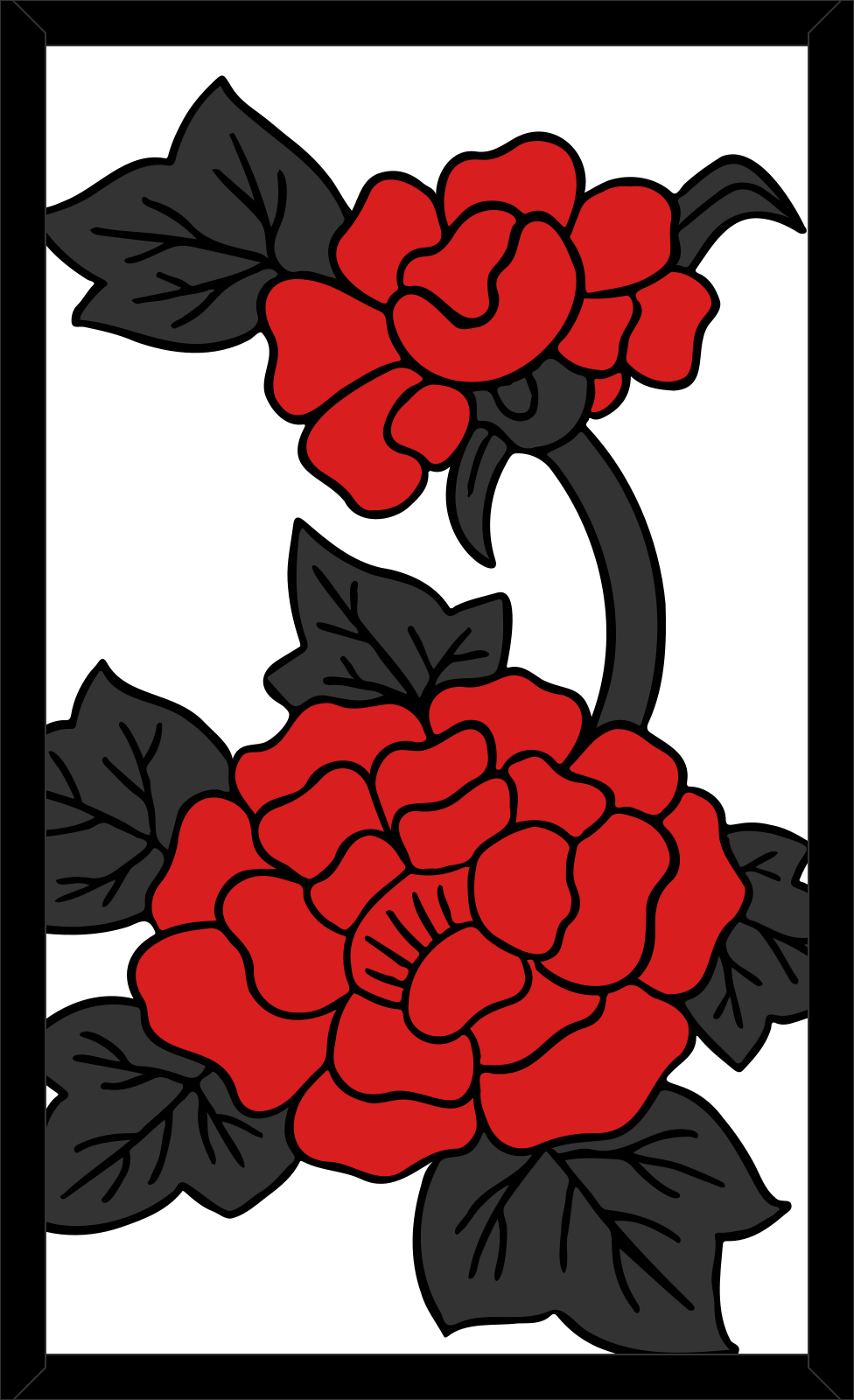 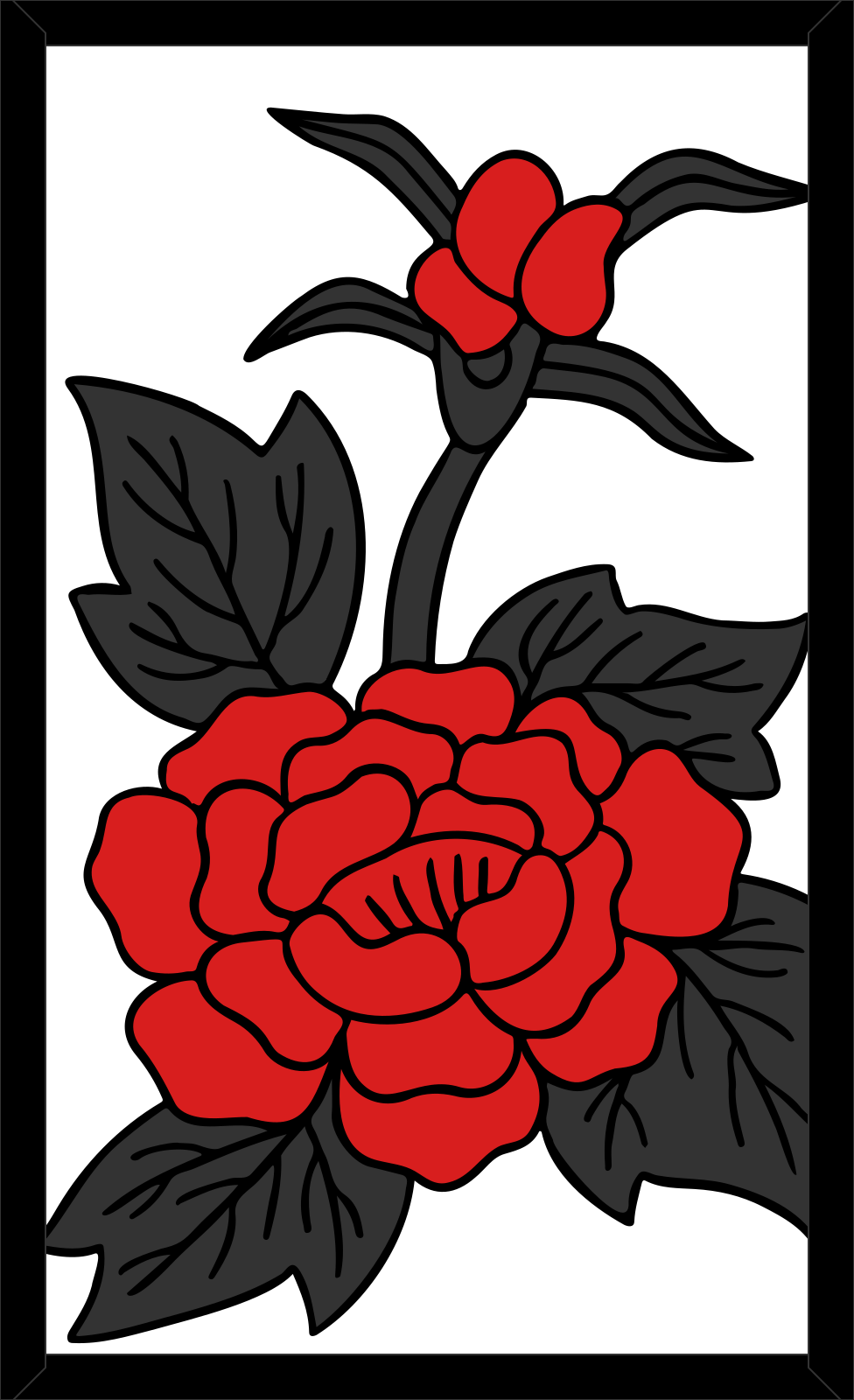 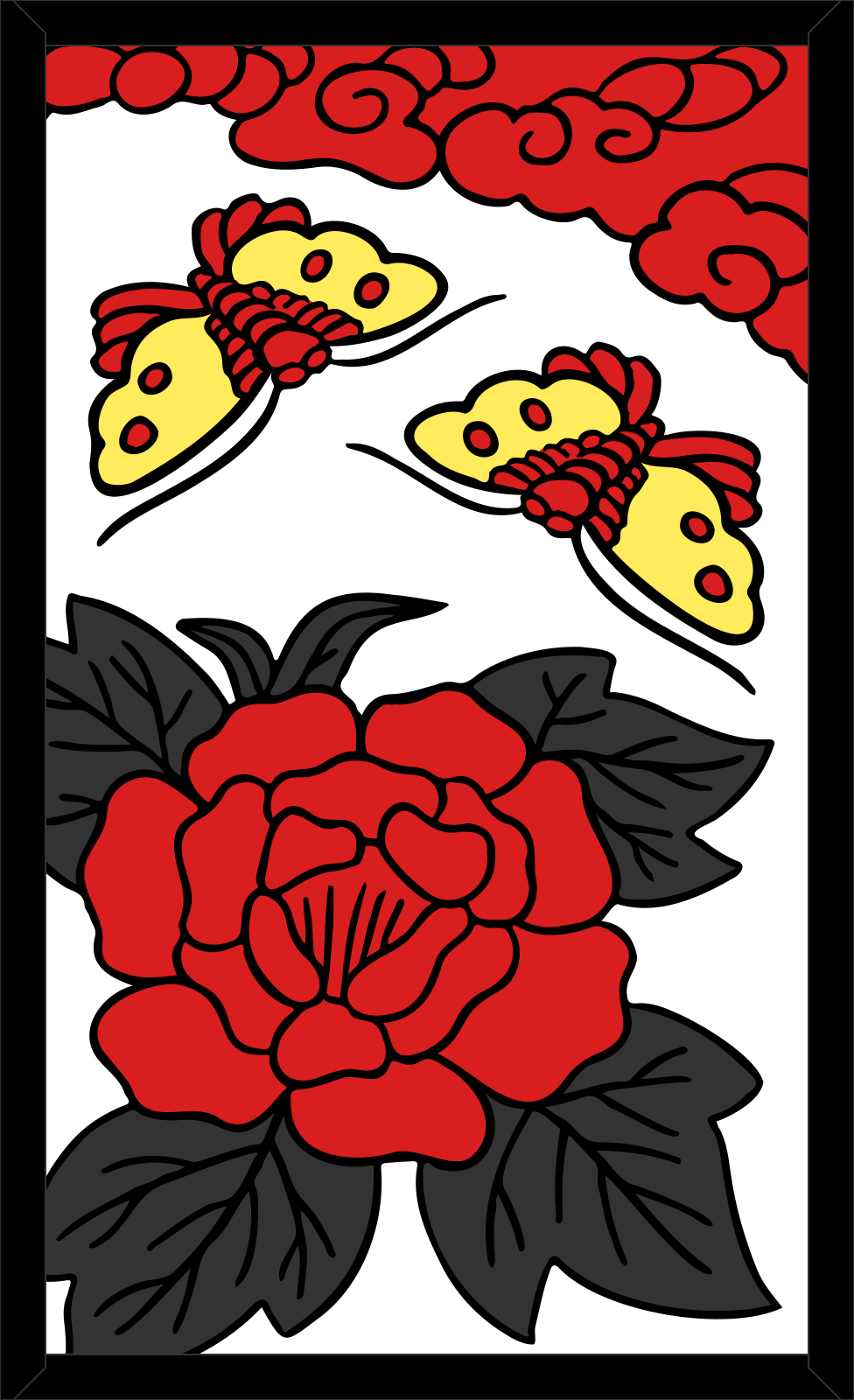 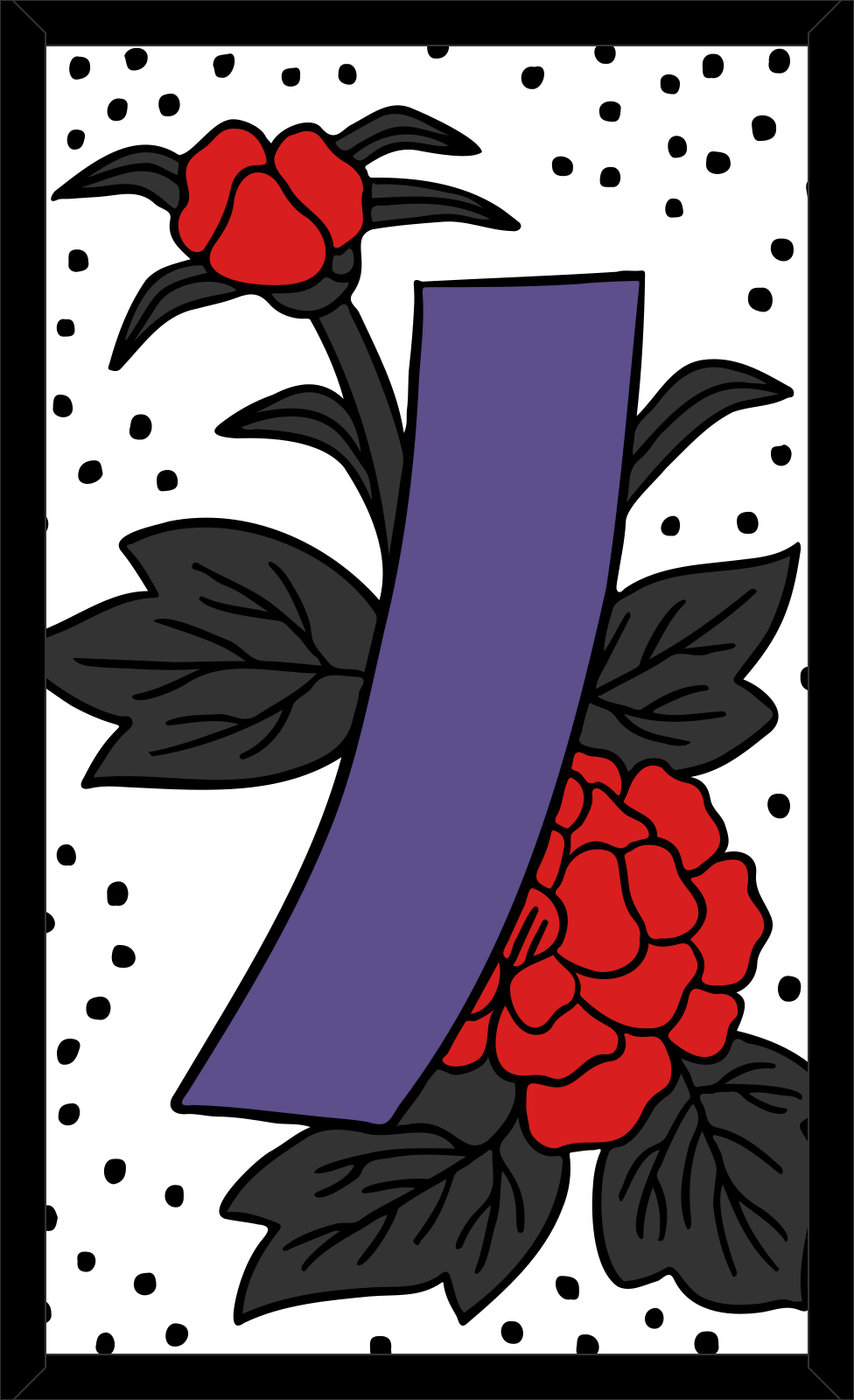 |
| 7 | Bush clover | Boar | 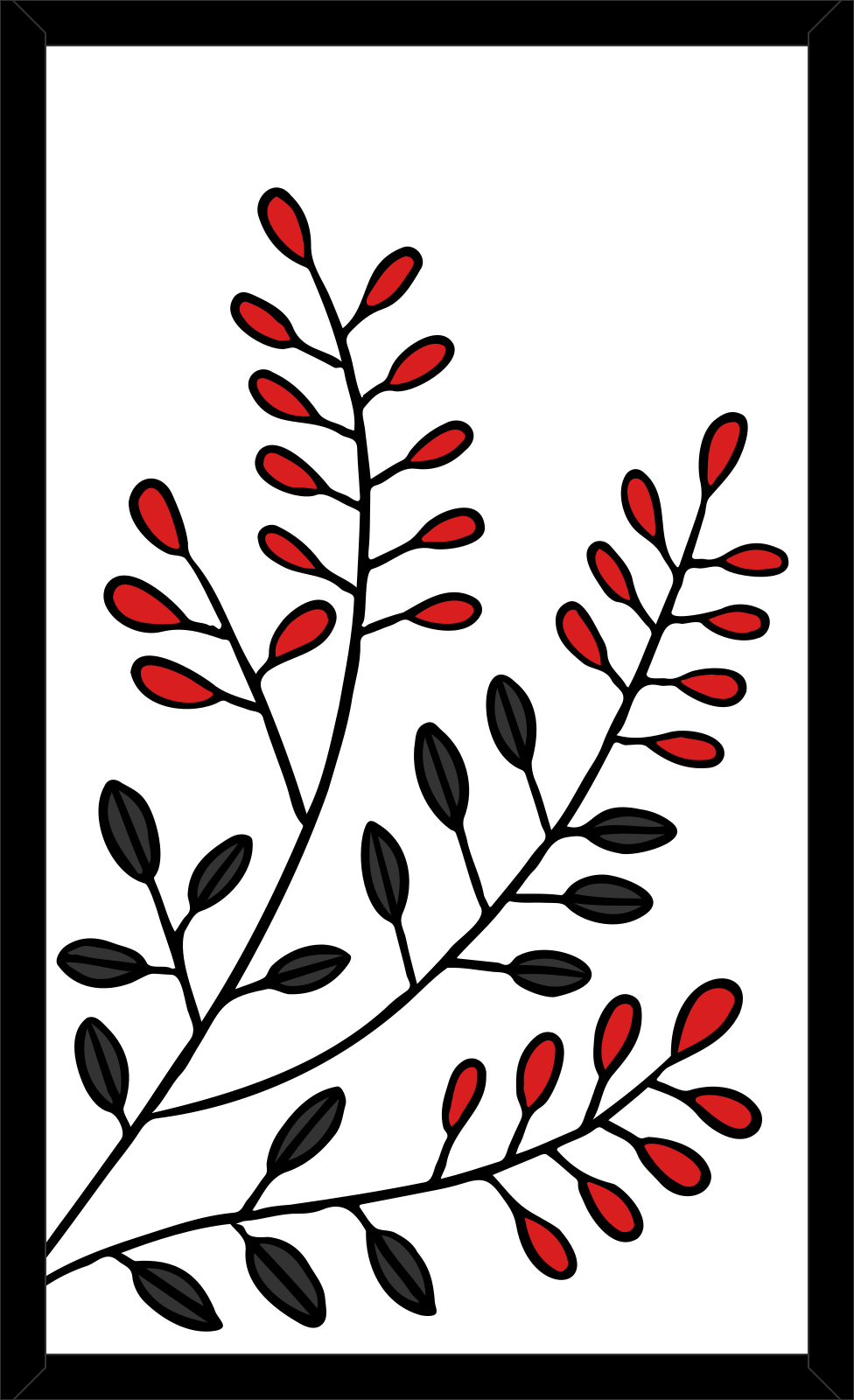 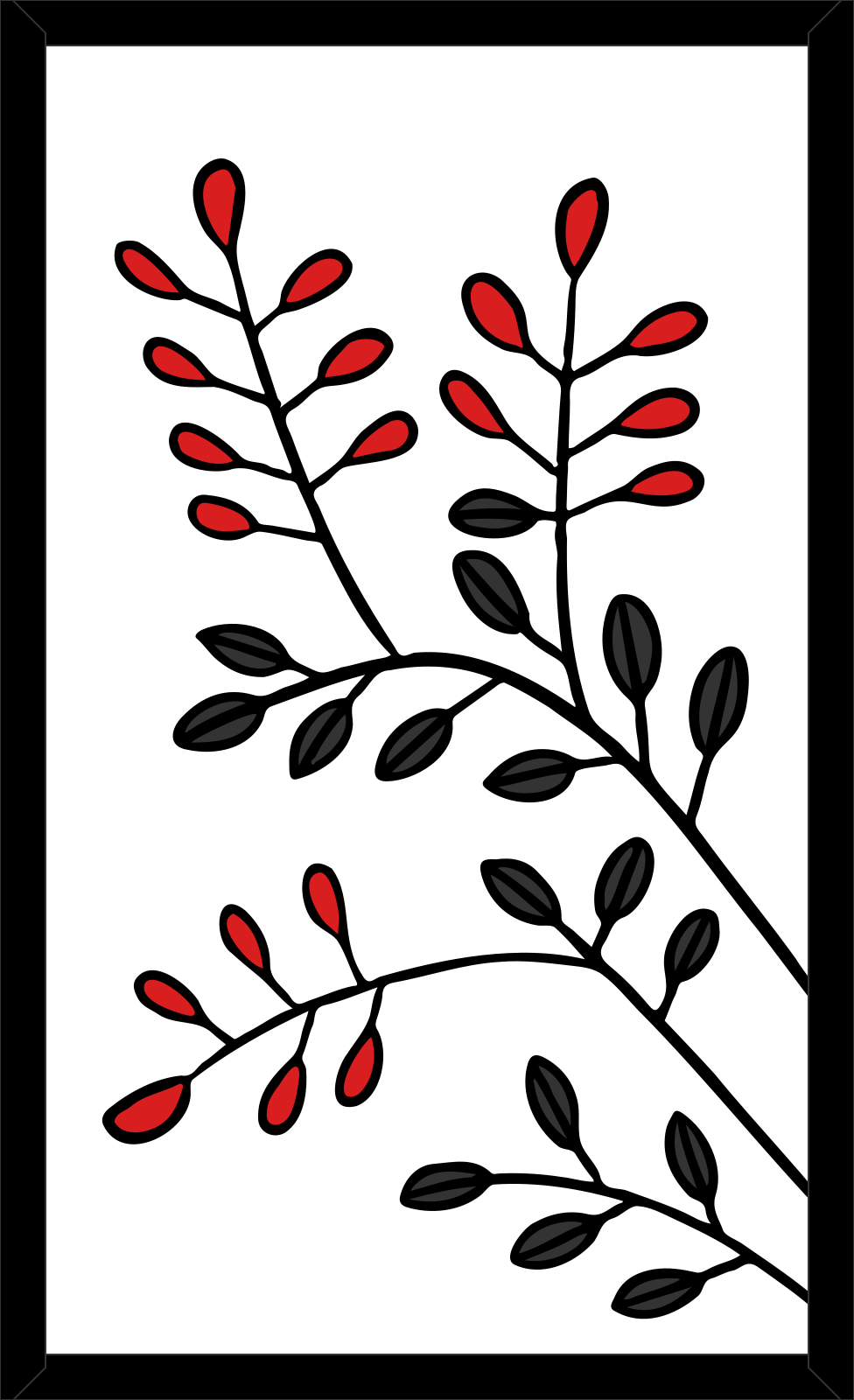 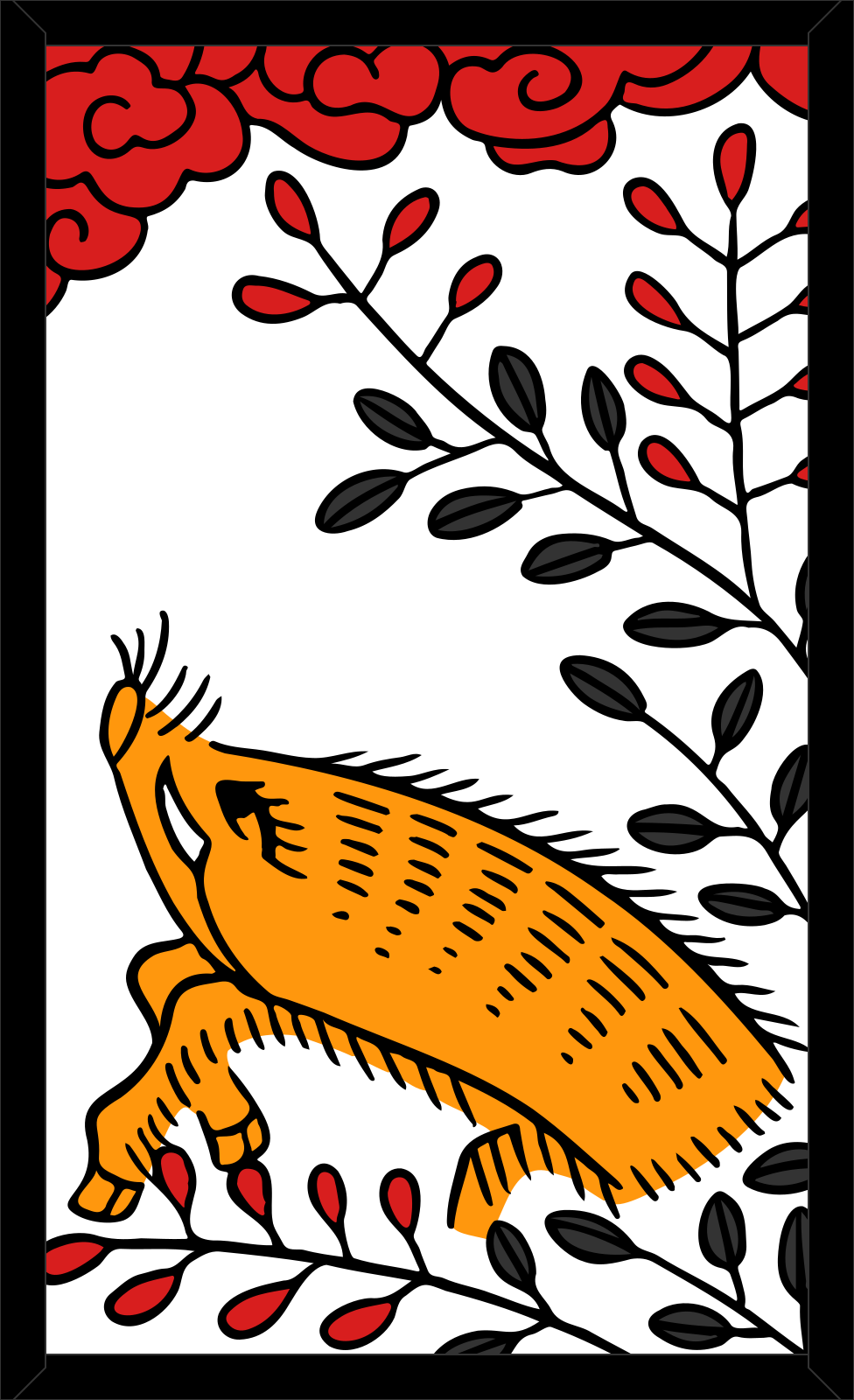 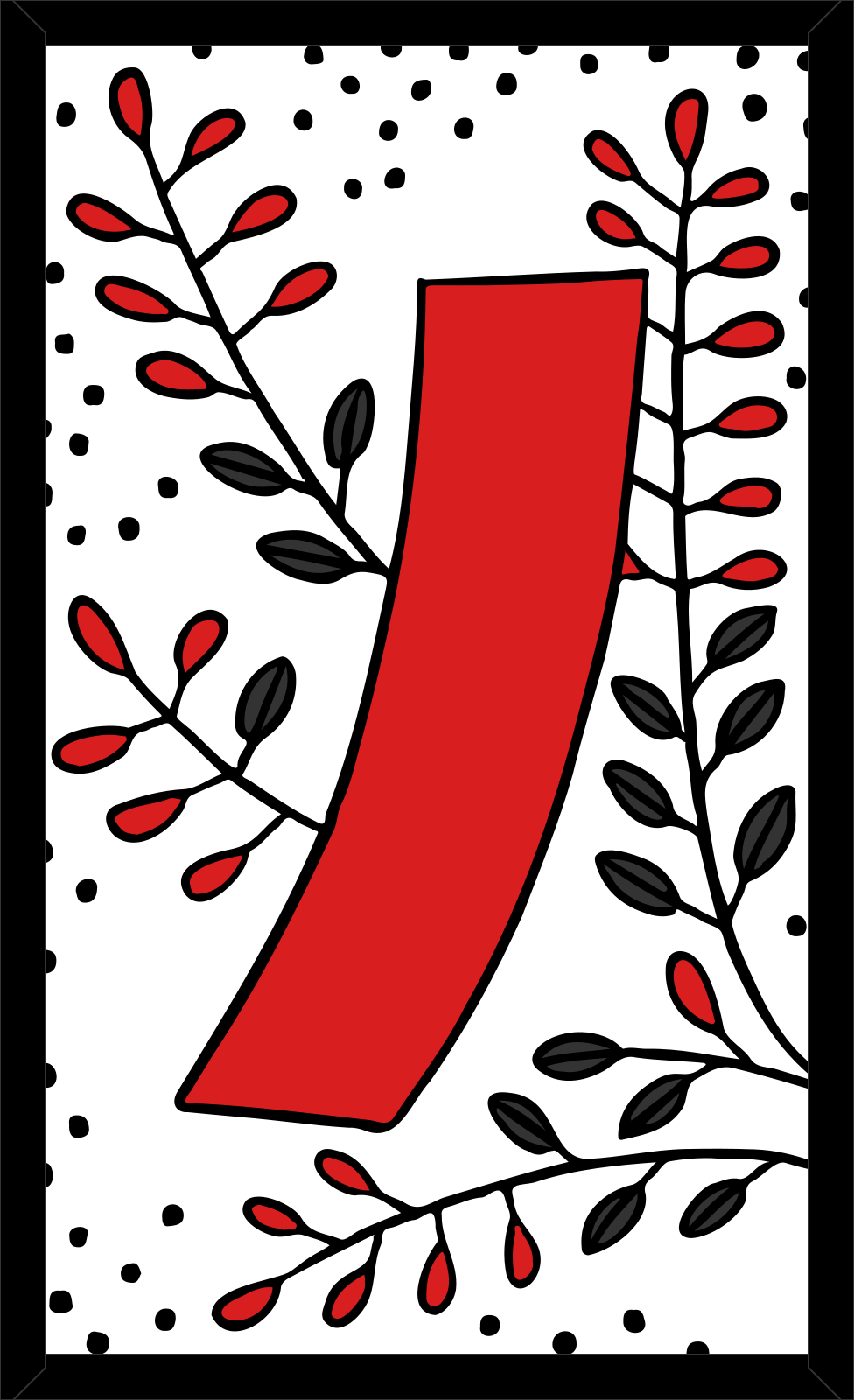 |
| 8 | Pampas grass | Full moon; geese | 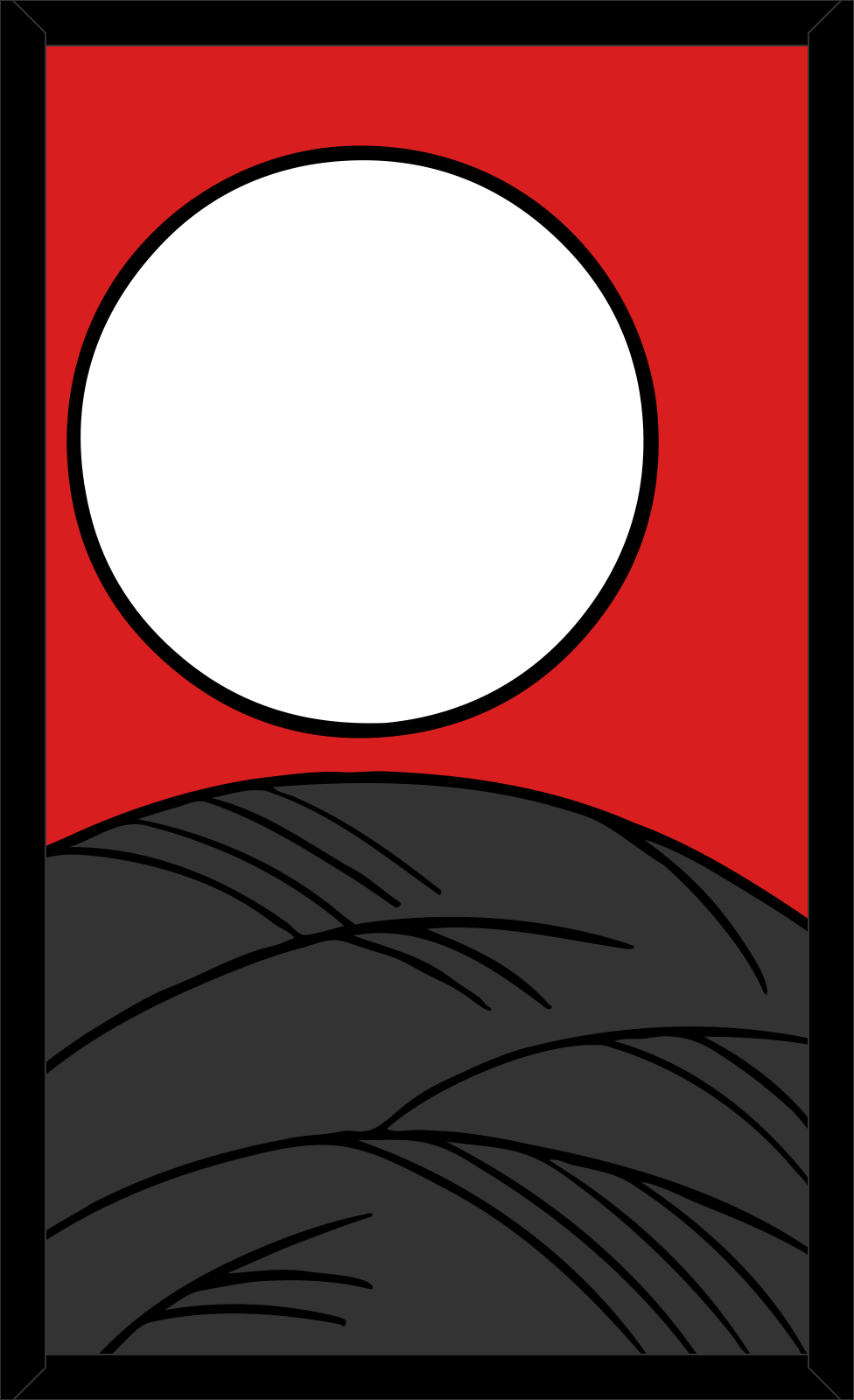 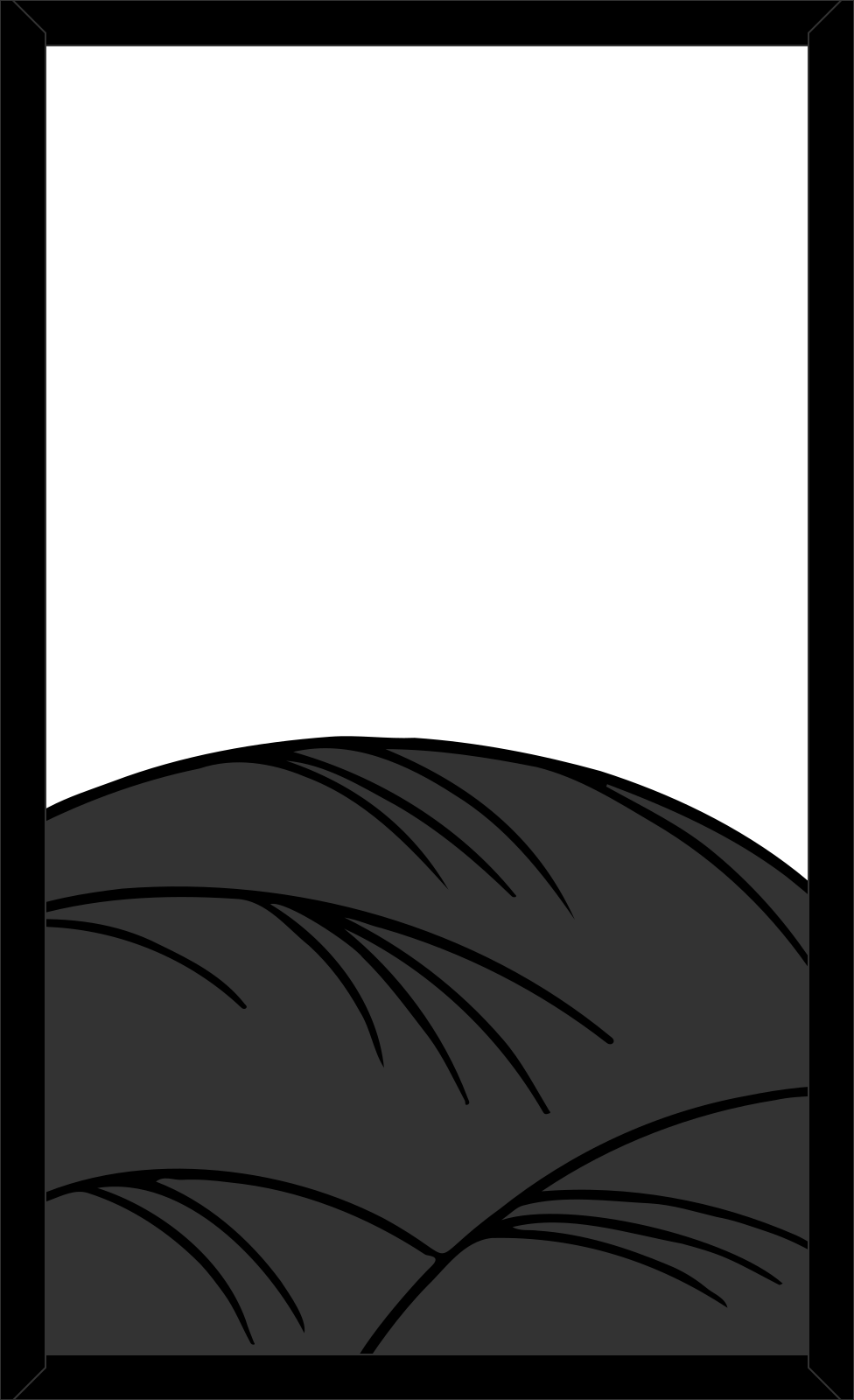 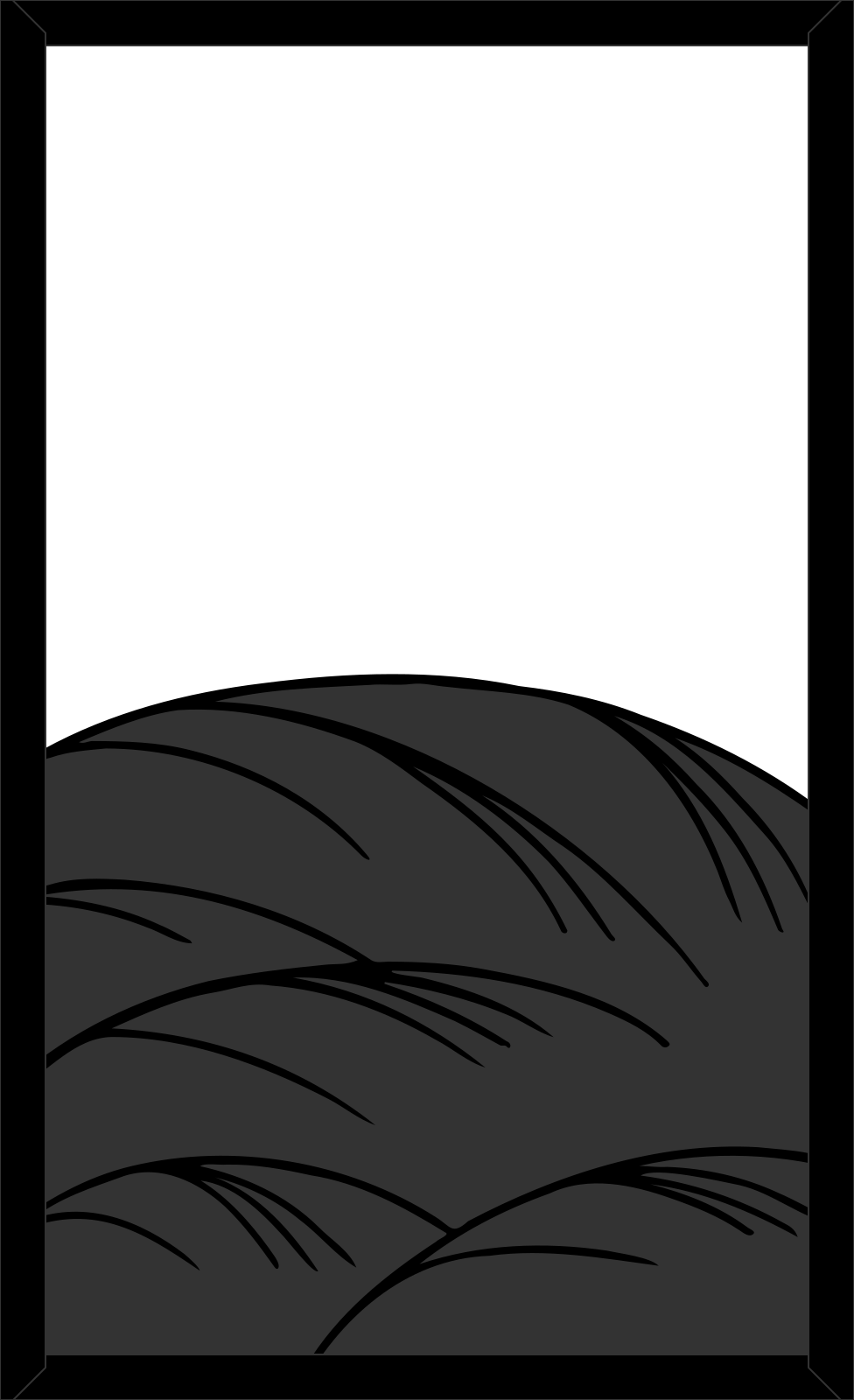 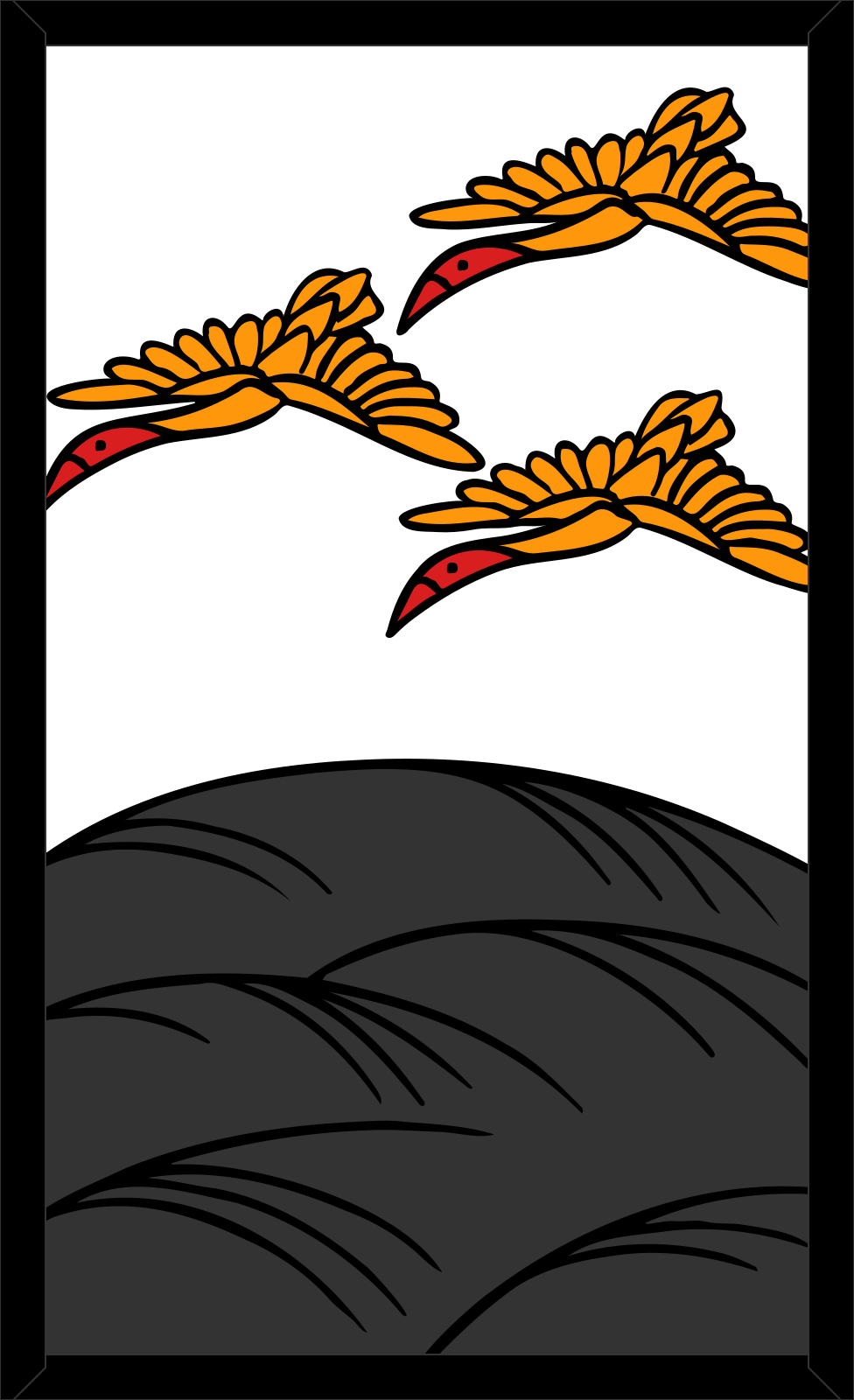 |
| 9 | Chrysanthemum | Sake cup | 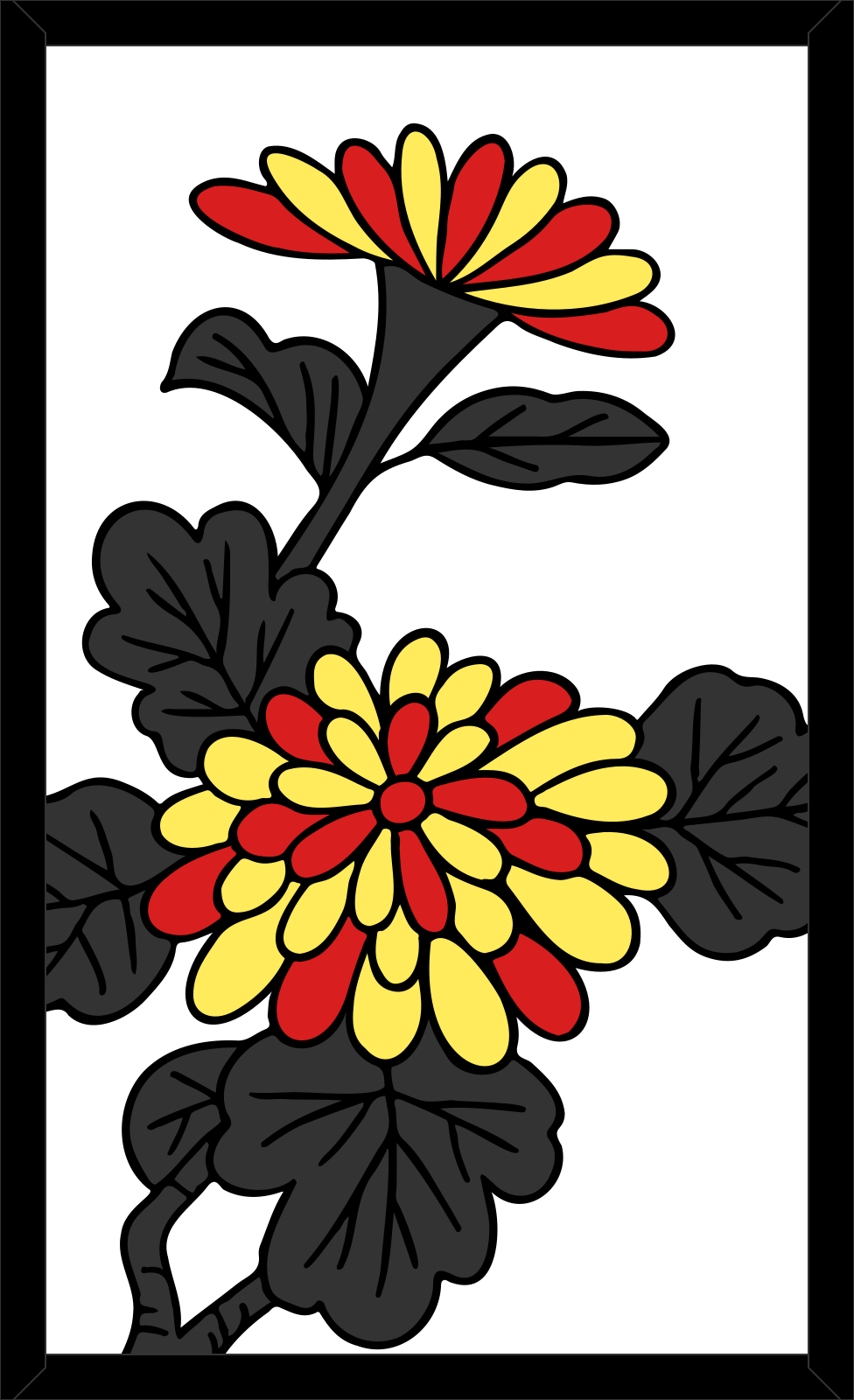 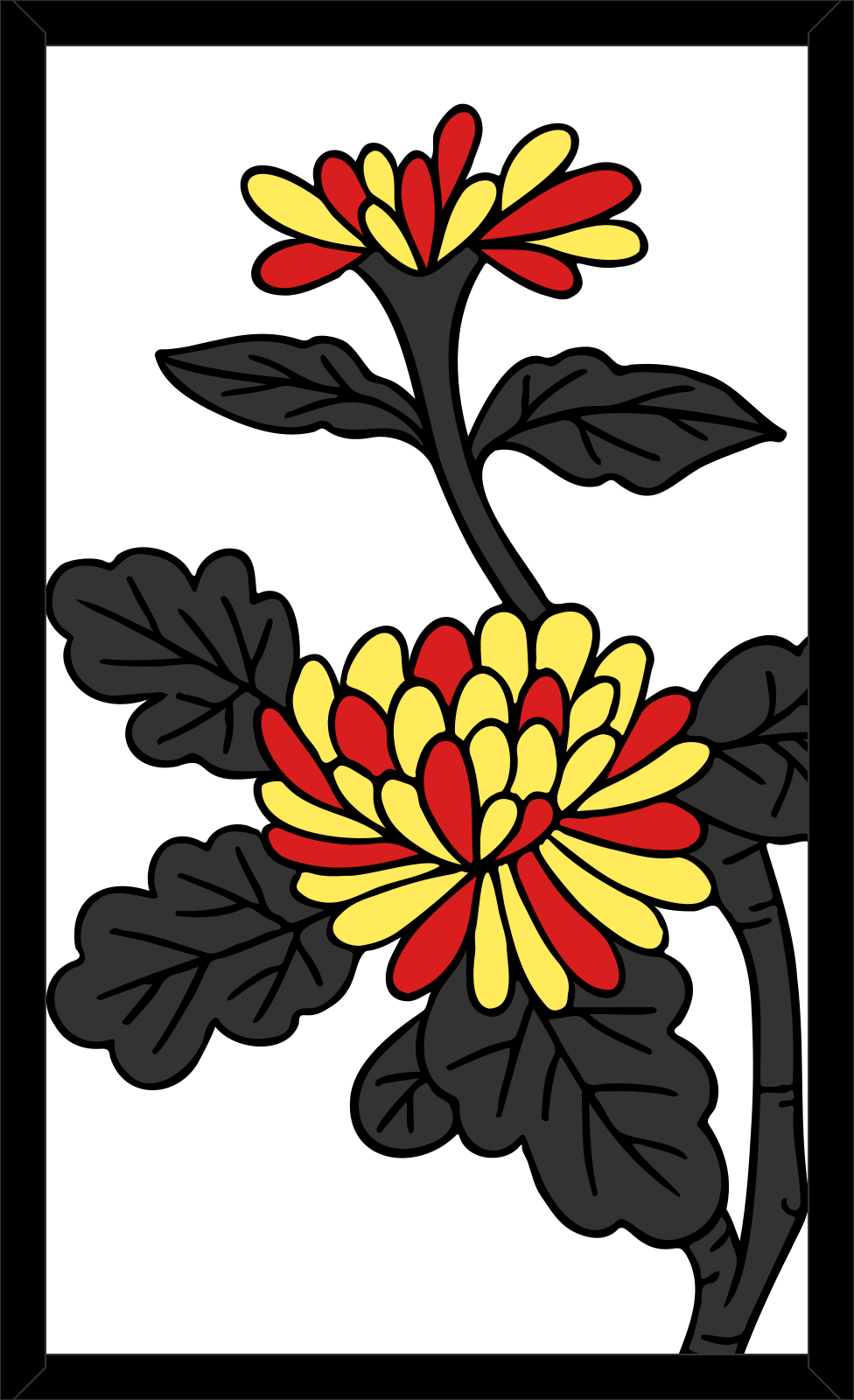 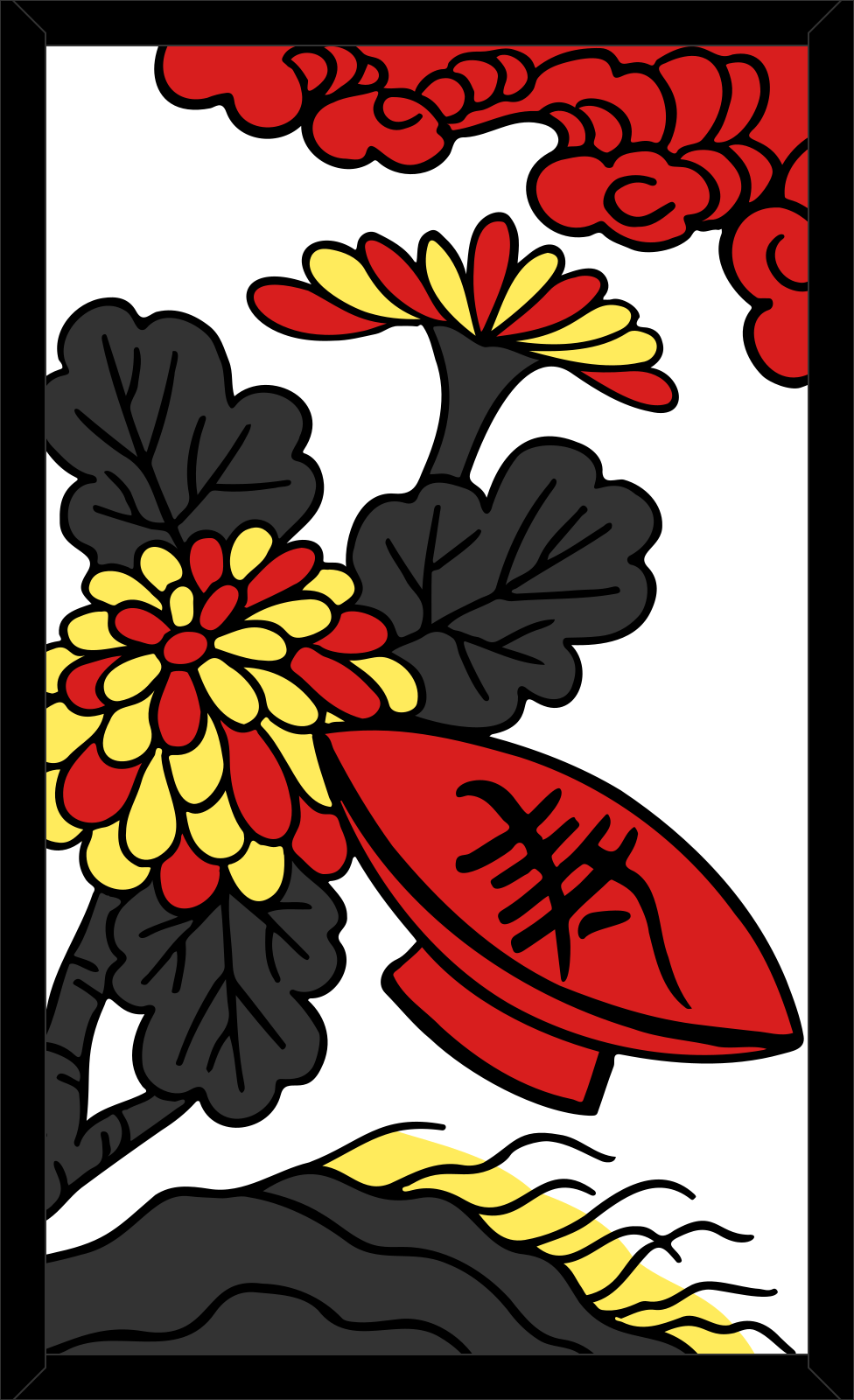 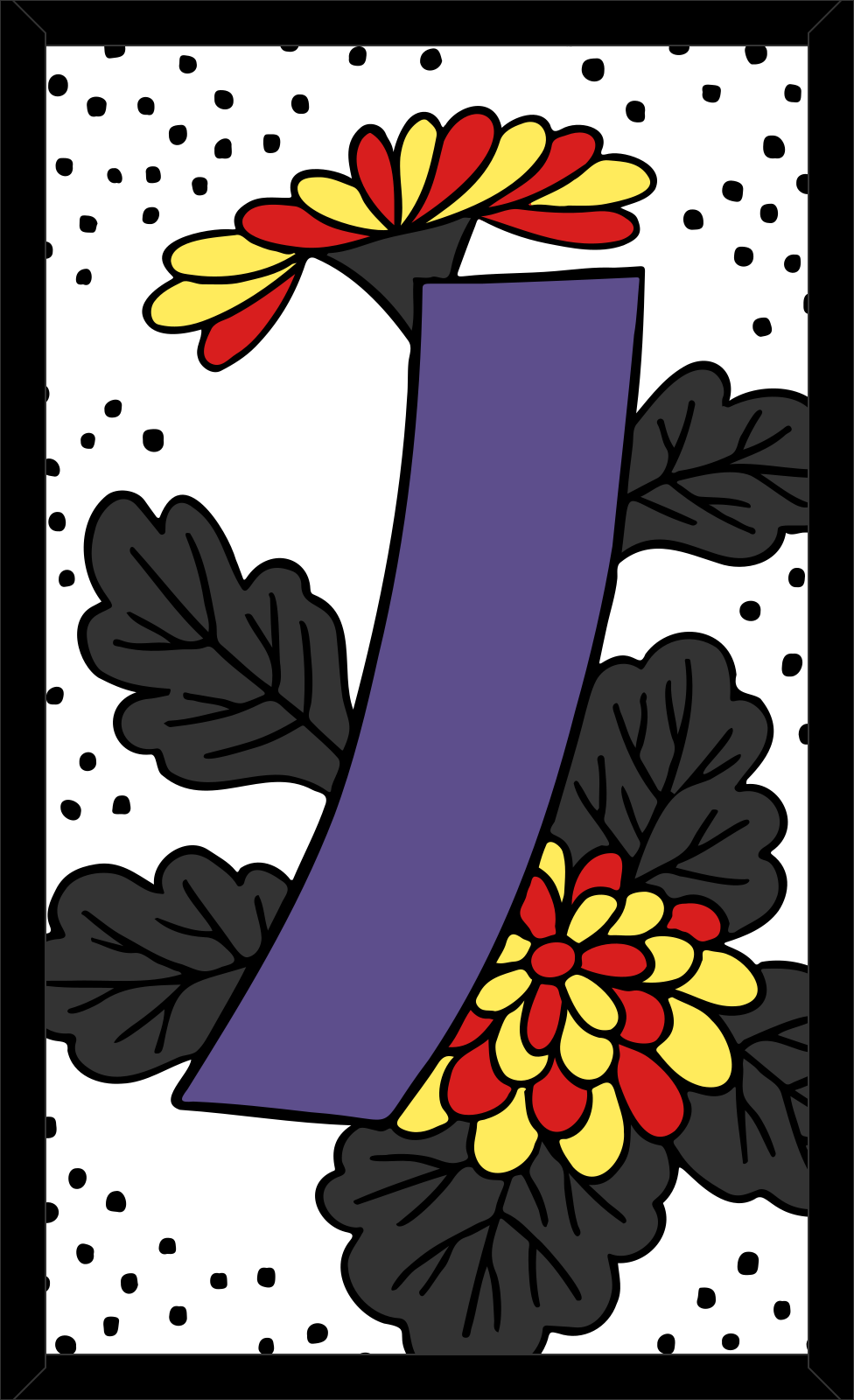 |
| 10 | Maple | Deer | 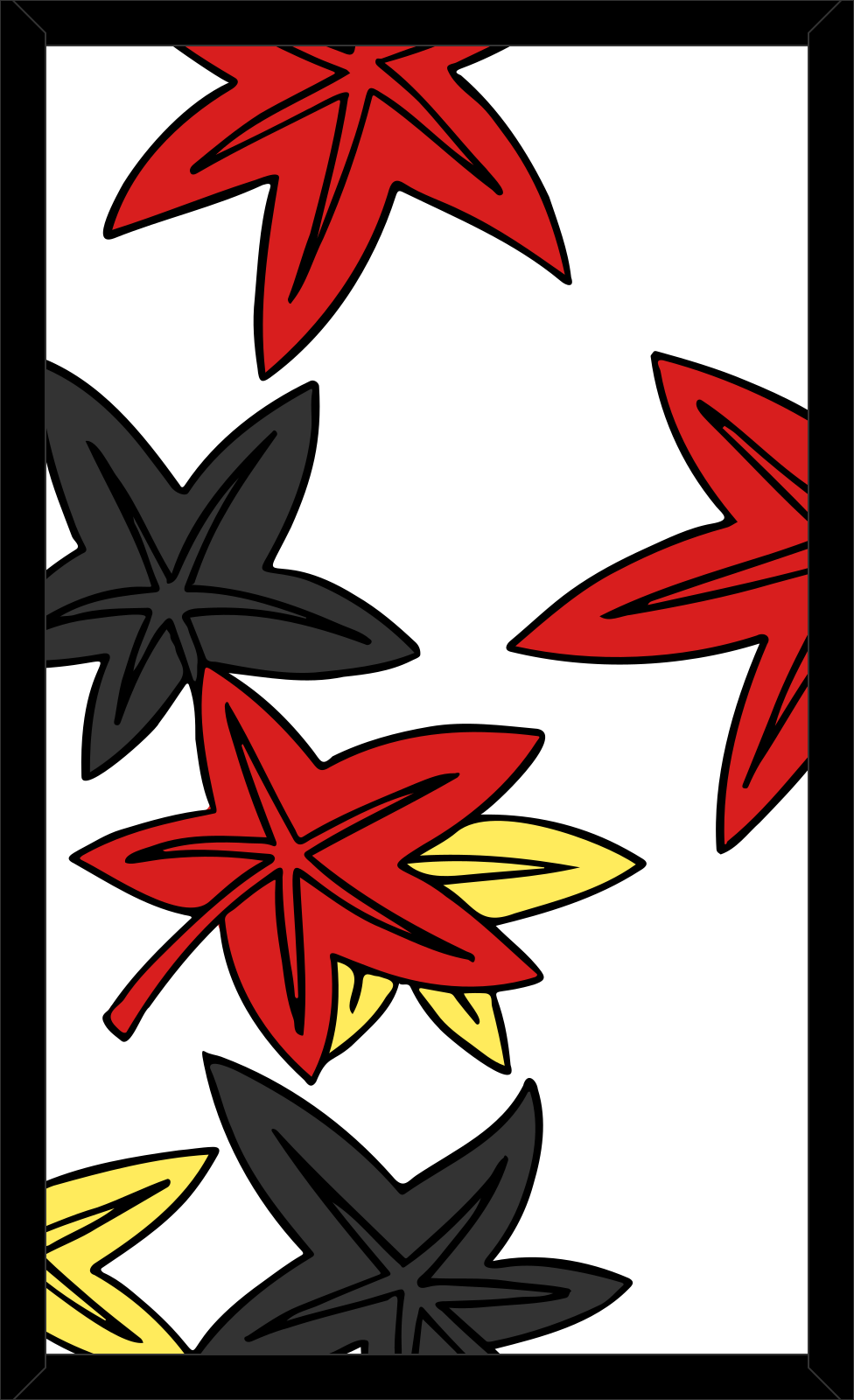 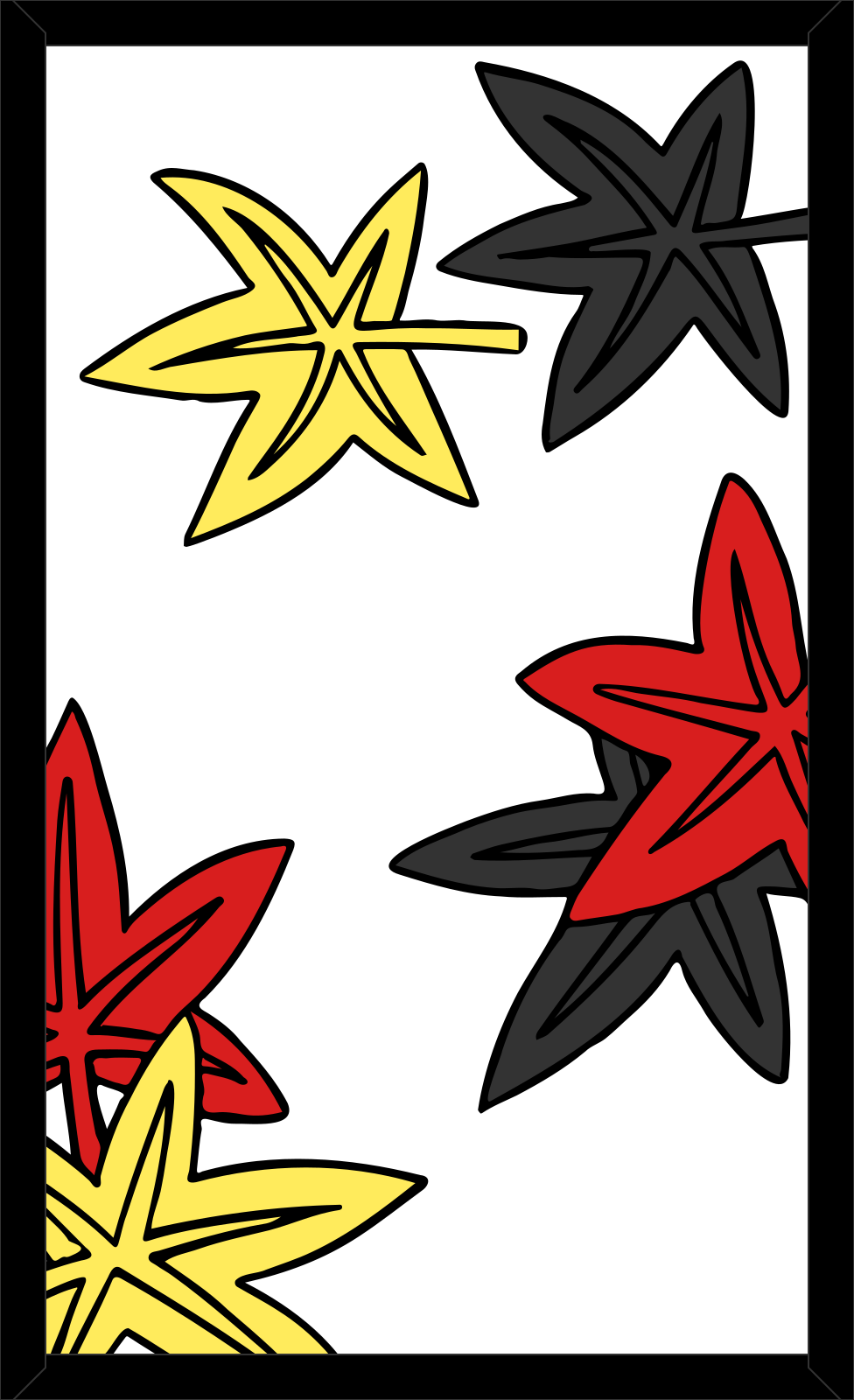 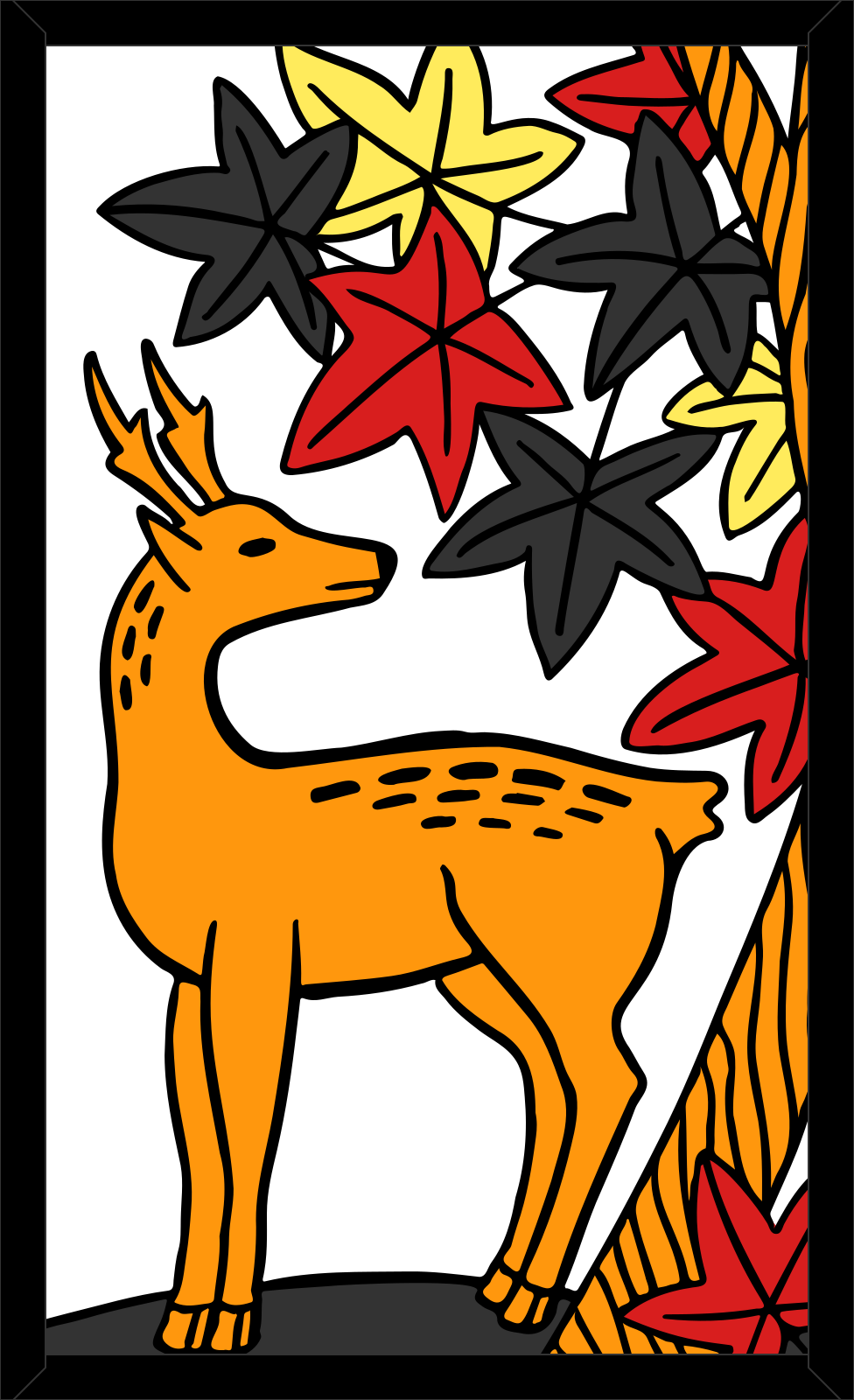 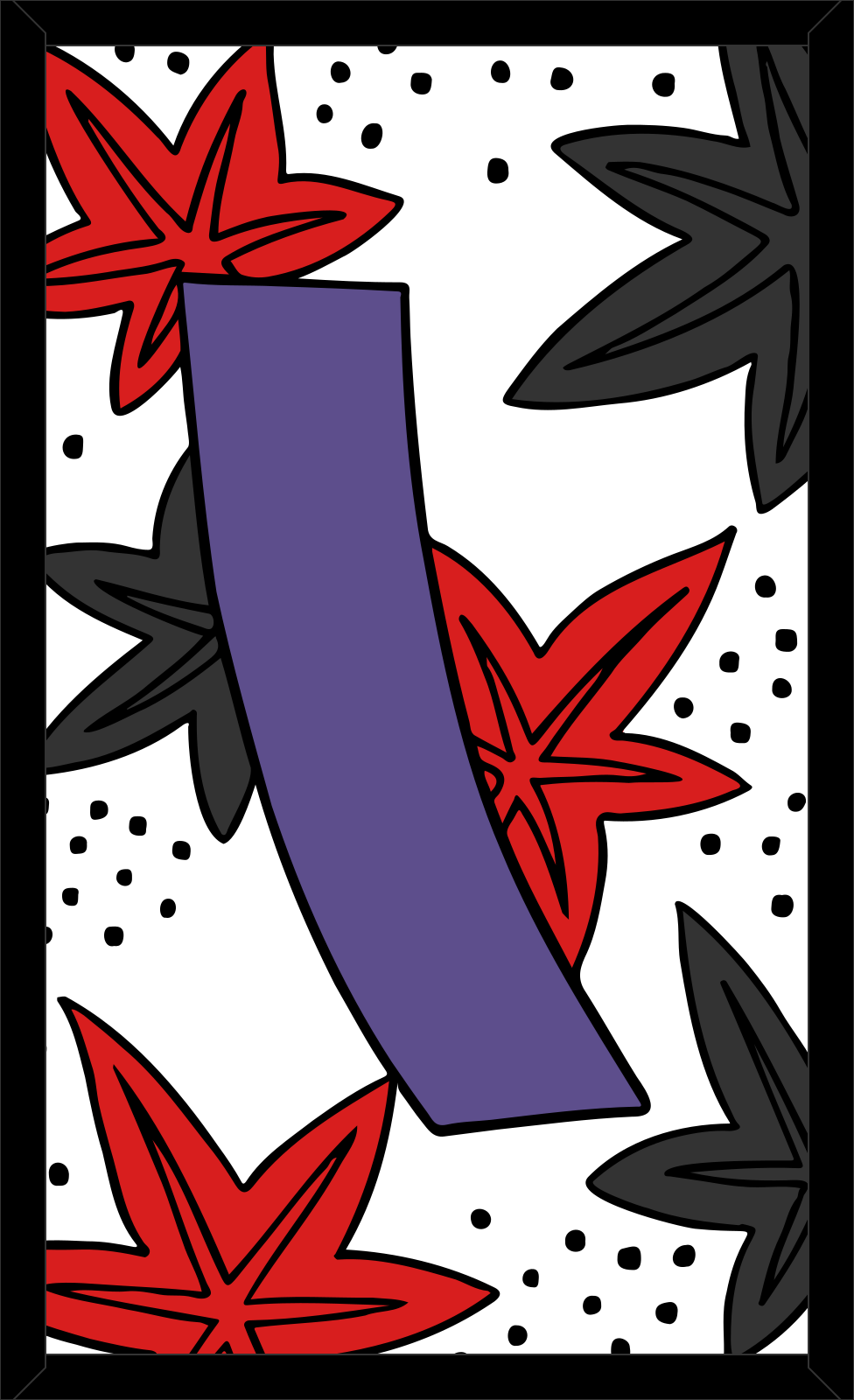 |
| 11 | Willow | Rain man; swallow; lightning | 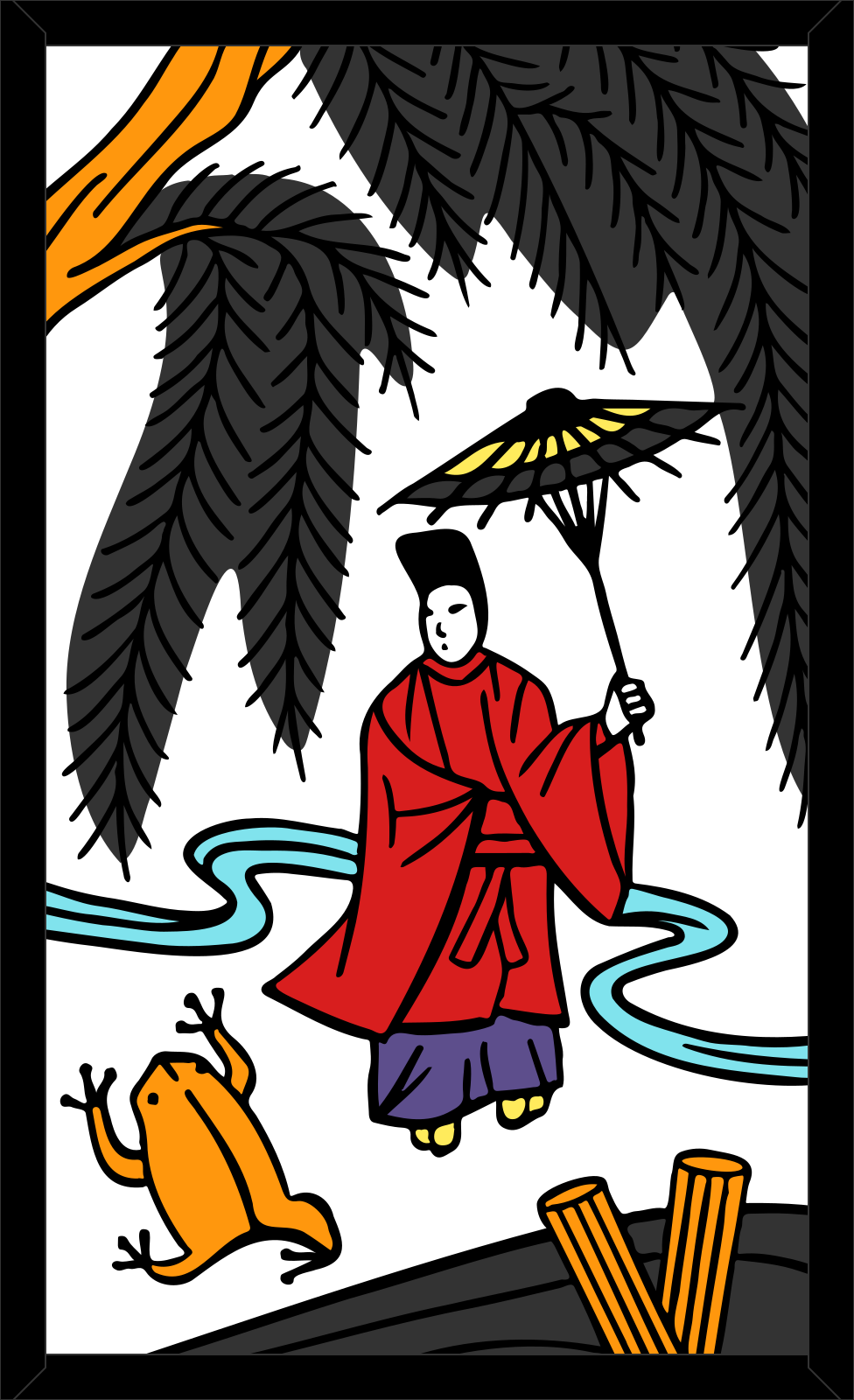  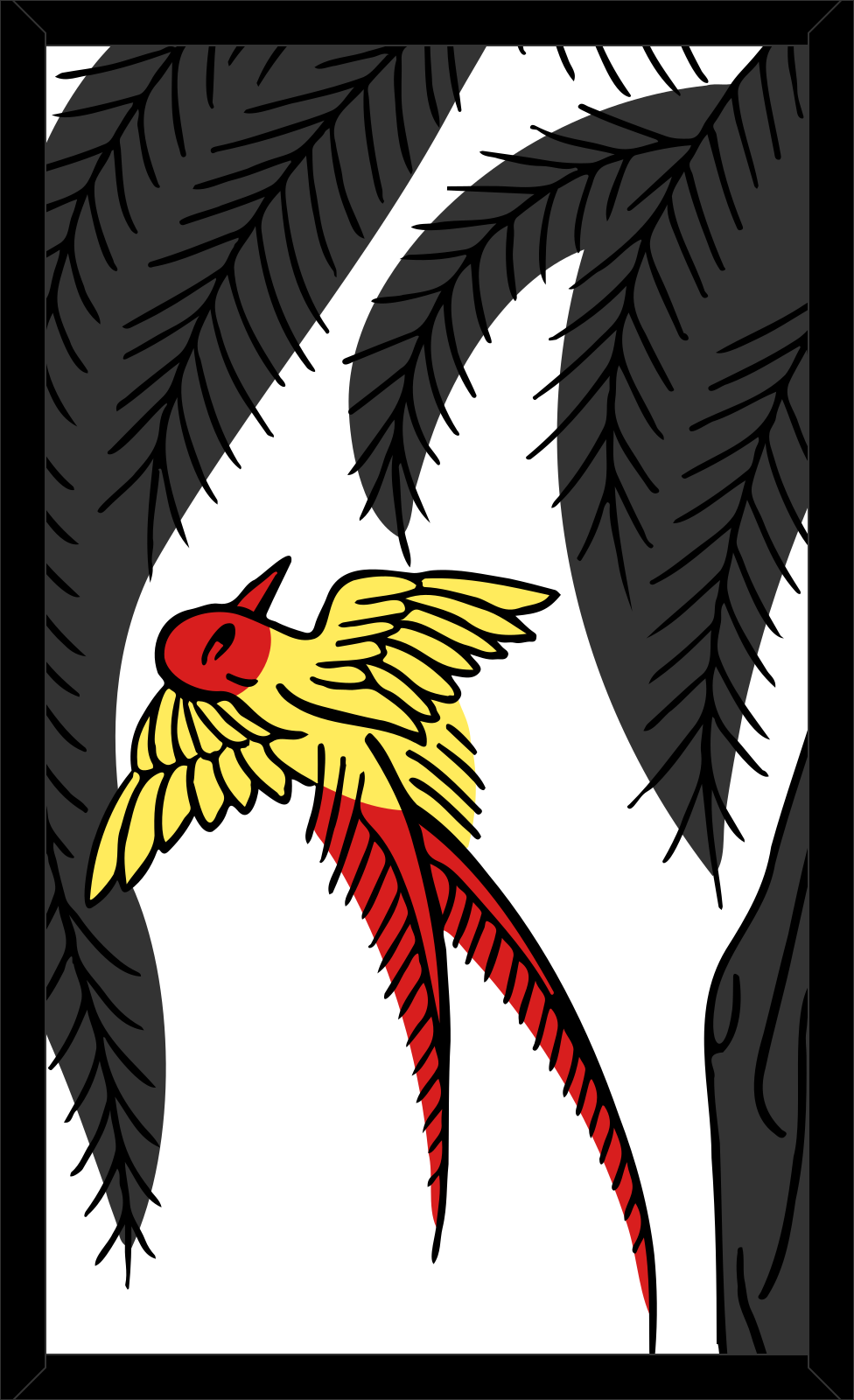 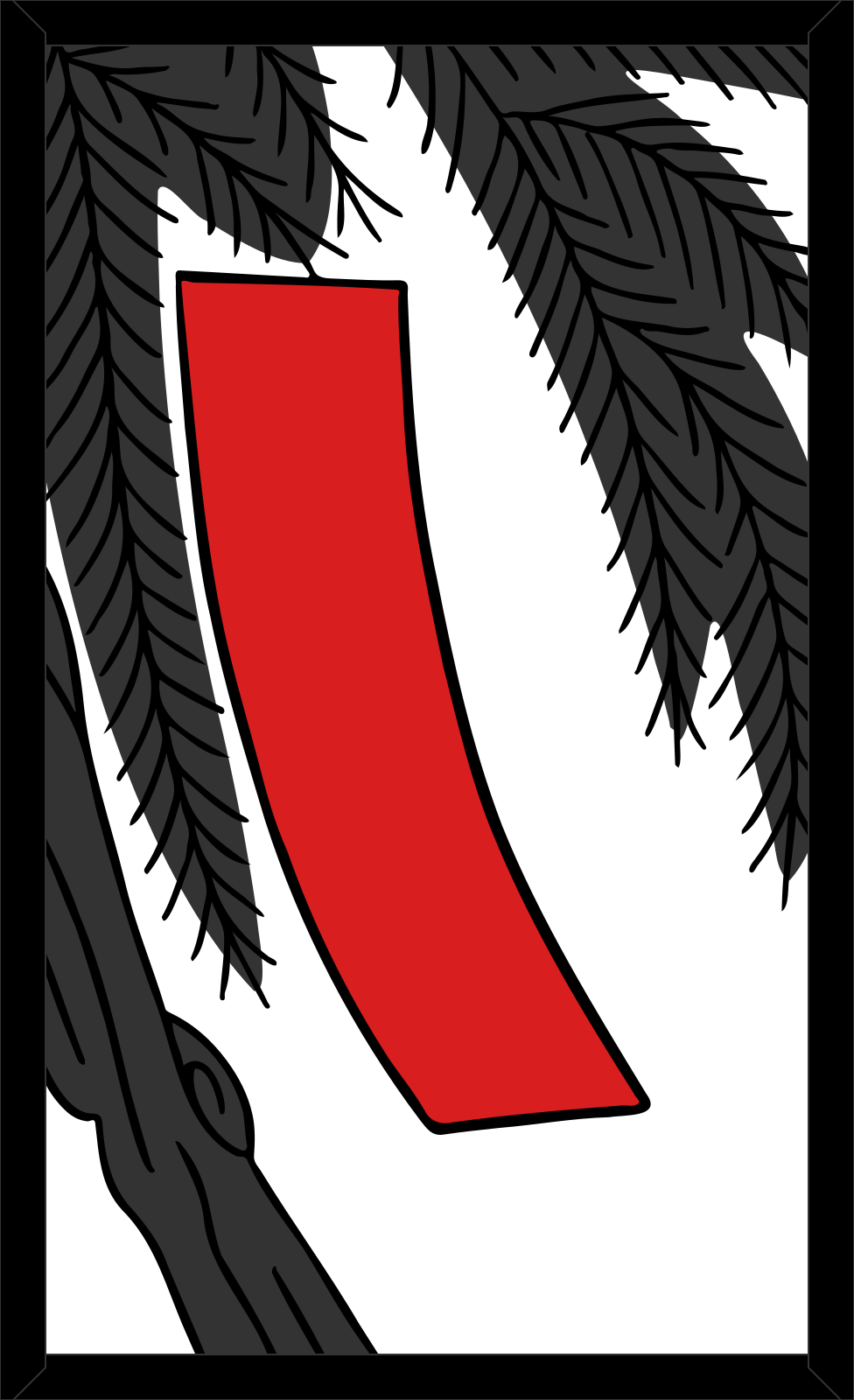 |
| 12 | Paulownia | Phoenix | 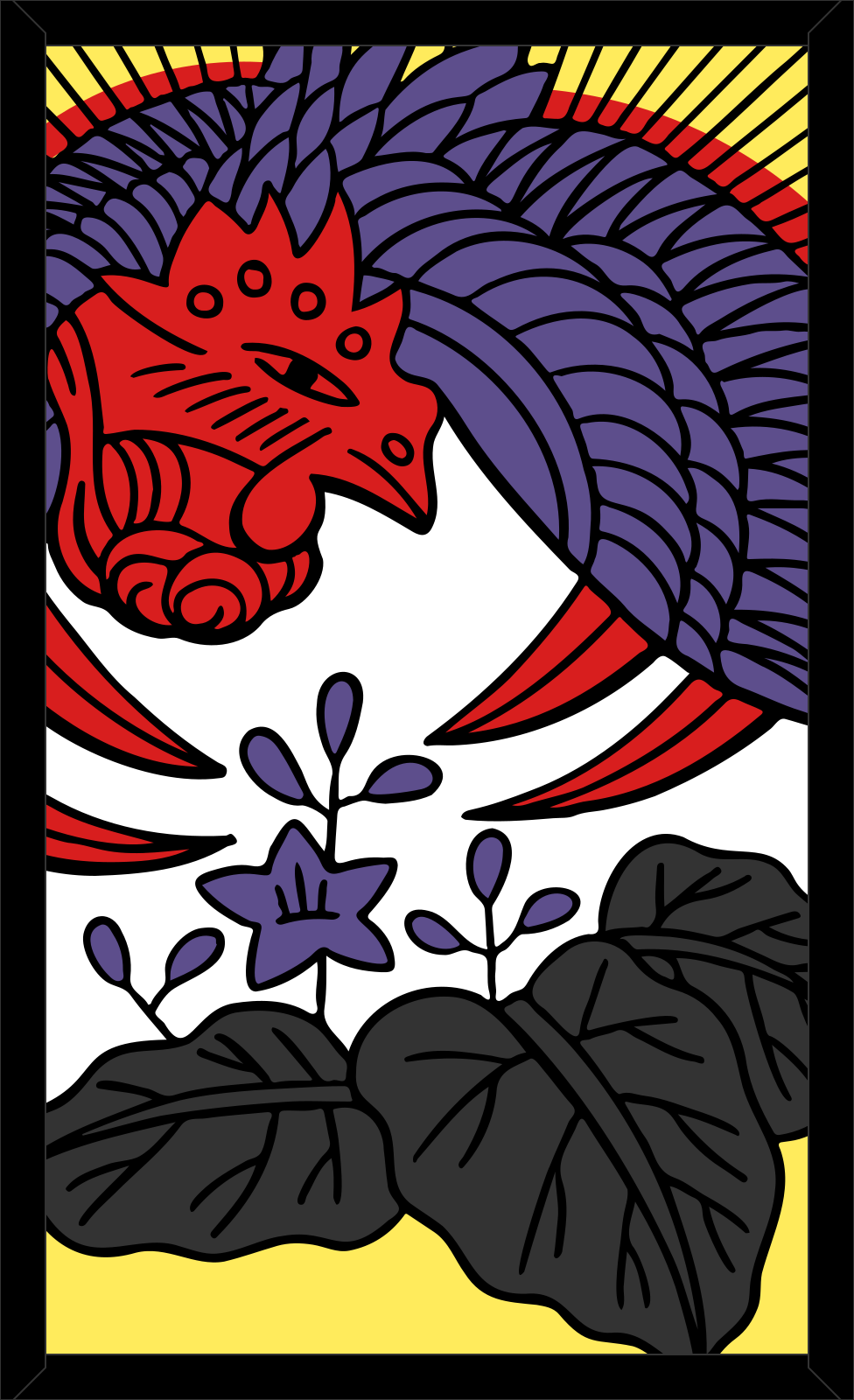 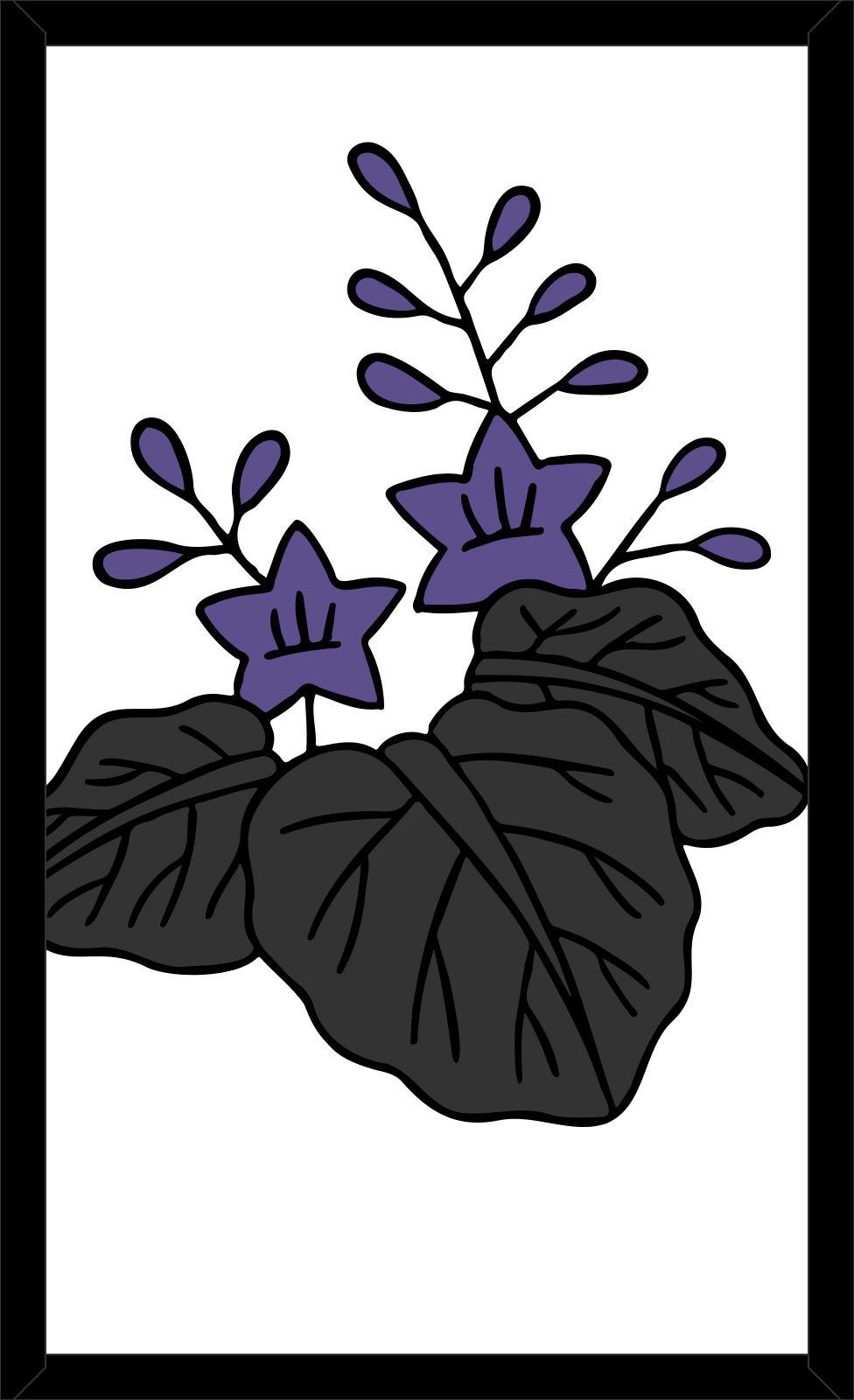 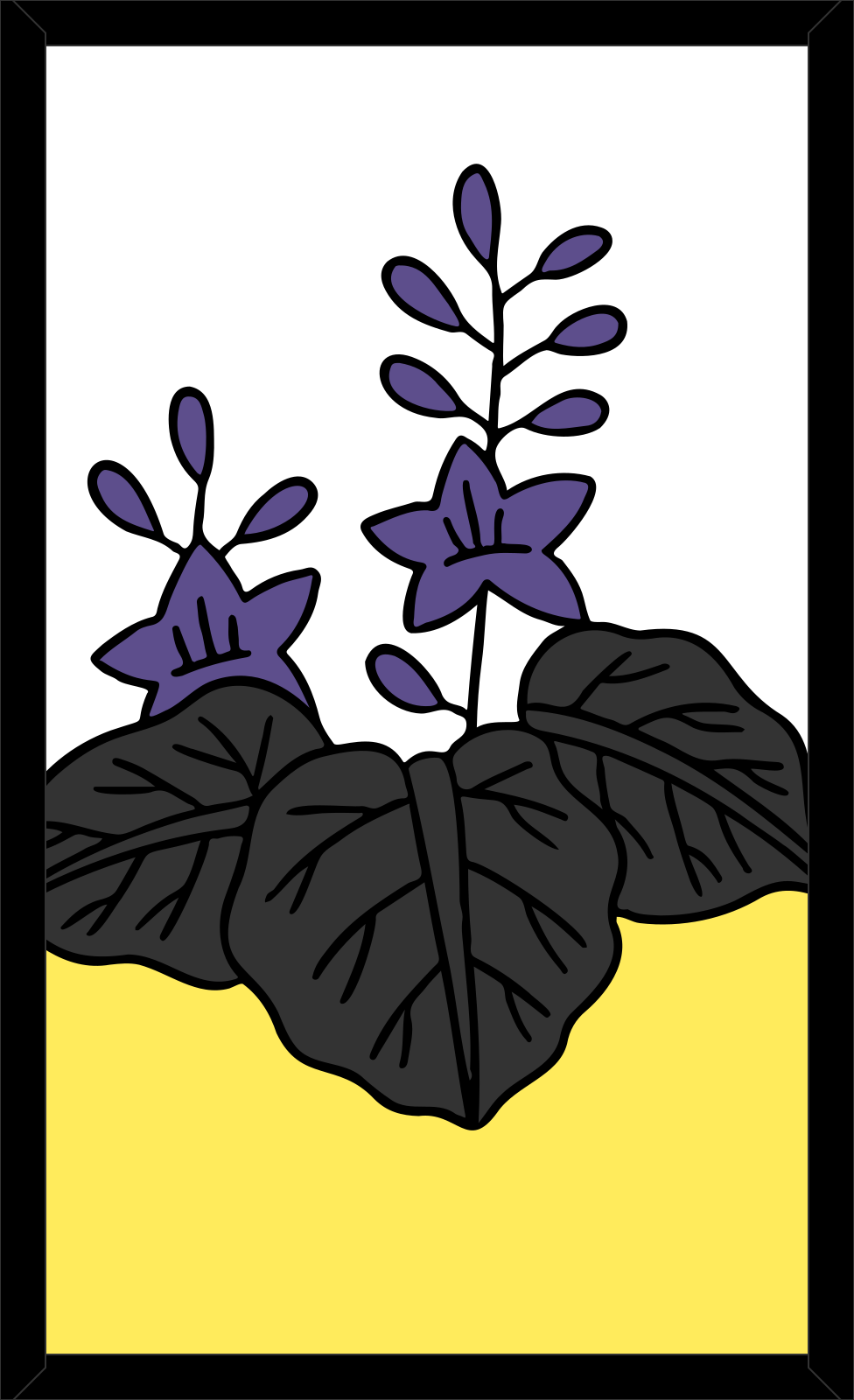 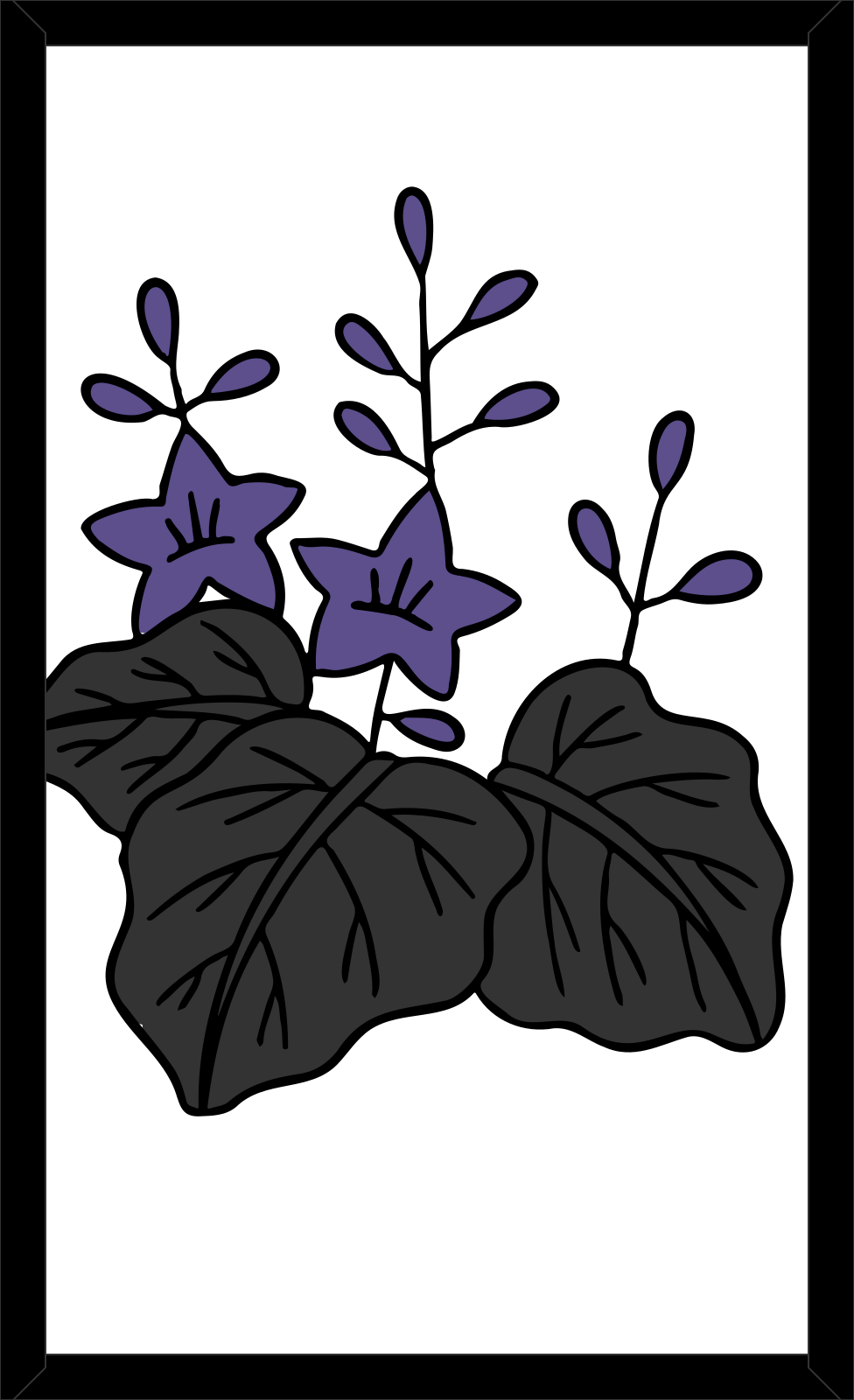 |
How to play Koi-Koi (こいこい)
- Deal: the dealer (oya) gives 8 cards to each player and 8 face up on the table. The rest form a face-down draw pile.
- Play a card: on your turn, play one card from your hand. If a table card shares its month (flower), you capture both. If two match, you choose one. If three match, you take all four. No match? Your card stays on the table.
- Draw: then flip the top card of the pile and do the same thing with it.
- Make yaku: captured cards build scoring sets called yaku (below).
- Koi-koi or stop: when you make a new yaku you can stop and score, or call “koi-koi!” (“come on!”) and keep playing for more. But if your opponent scores before you stop again, they win the round, with double points.
- Scoring: a winning score of 7 or more is doubled, and doubled again if the other player had called koi-koi. The winner deals (is oya) next round. If no one stops before the hands run out, the dealer gets 1 point (oya-ken).
- Lucky deals: being dealt all four cards of a month (teshi) or four pairs (kuttsuki) wins 6 points straight away.
| Yaku | Cards | Points |
|---|---|---|
| Goko 五光 | All 5 brights | 10 |
| Shiko 四光 | 4 brights, not the rain man | 8 |
| Ame-Shiko 雨四光 | 4 brights including the rain man | 7 |
| Sanko 三光 | 3 brights, not the rain man | 5 |
| Hanami-zake 花見酒 | Cherry curtain + sake cup | 5 |
| Tsukimi-zake 月見酒 | Full moon + sake cup | 5 |
| Inoshikacho 猪鹿蝶 | Boar, deer and butterflies | 5 (+1 per extra animal) |
| Akatan 赤短 | 3 red poem ribbons | 5 (+1 per extra ribbon) |
| Aotan 青短 | 3 blue ribbons | 5 (+1 per extra ribbon) |
| Akatan + Aotan | All 6 above | 10 (+1 per extra ribbon) |
| Tane タネ | Any 5 animals | 1 (+1 each extra) |
| Tan タン | Any 5 ribbons | 1 (+1 each extra) |
| Kasu カス | Any 10 plain cards (the sake cup also counts) | 1 (+1 each extra) |
House rules vary across Japan; we use a common, beginner-friendly set.
Play Koi-Koi
Your hand
Shichinarabe (七並べ): Japanese Sevens
Shichinarabe, “lining up sevens,” is played with an ordinary 52-card deck and is a favourite with Japanese families and school kids. It is Japan's take on the Western game known as Sevens, Fan Tan or Domino. Western playing cards, called toranpu (from “trump”), became common in Japan from the Meiji era (1868–1912).
- All 52 cards are dealt out, 13 each. Everyone lays their 7s on the table to start each suit, and the player with the 7 of diamonds goes first.
- On your turn, add one card next to a run: the 6 or 8 of that suit, then 5 or 9, and so on, building down to the Ace and up to the King.
- If you can't (or don't want to) play, you may pass, up to 3 times. A 4th pass knocks you out, and your cards go onto the table in their own spots.
- The first player to empty their hand wins. Tip: hold back cards that would let others finish, but don't run out of passes!
Play Shichinarabe
Your hand
Credits: Hanafuda card faces by Louie Mantia, from Wikimedia Commons, licensed CC BY-SA 4.0. Card back drawn by NorthWest Wa and shared under the same licence. The designs follow the traditional hanafuda imagery that has been in public use in Japan for well over a century; they are not copies of any manufacturer's printed deck. Playing cards are drawn with simple CSS.