 NorthWest Wa
Eating in Japan
Food is half the reason to go. You can eat brilliantly in Japan on any budget, from a 7-Eleven breakfast to a counter seat at a tiny ramen shop, and you don't need to speak Japanese to do it. This guide covers the basics: where to eat, how ordering and paying work, what to try first, and the small manners that make meals easier.
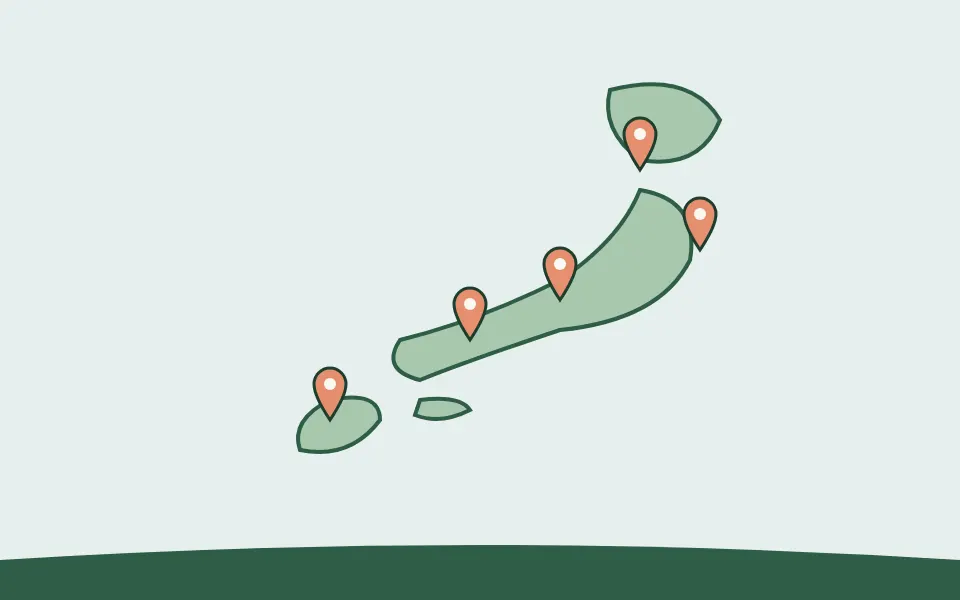
Japan food map
Prefer a list? See food listings in the Japan directory and ramen, sushi and izakaya.
Famous, traveller-friendly places to eat across Japan: tap a pin for the story, how to get there and food tours nearby.
Opening hours and queues change, so check before you go. Pin locations are approximate; use the Google Maps link. Some links on this page are affiliate links. NorthWest Wa may earn a commission at no extra cost to you.
A few starter tips:
Konbini
7-Eleven, Lawson and FamilyMart sell genuinely good onigiri, sandwiches and hot meals 24/7. Perfect for a cheap breakfast.
Ticket machines
Many ramen and gyudon shops have you buy a ticket at a machine by the door, then hand it to the staff. Many machines take cash only.
Izakaya
Japanese pubs with small shared plates. A small seating charge (otoshi), usually with a little starter dish, is normal.
What to try first
Don't try to eat everything in one trip. Pick a few classics and let each city add its own speciality.
Ramen
Every region has its own style: rich pork-bone tonkotsu in Fukuoka, miso in Sapporo, soy-based shoyu in Tokyo. Slurping is normal and nobody will mind.
Sushi
Conveyor-belt (kaiten) sushi is cheap, fun and easy to order from a tablet. Plates are colour-coded by price and counted at the end.
Okonomiyaki & takoyaki
Osaka's savoury griddle pancake and octopus balls. Watch them being made, then let them cool: the inside stays very hot.
Udon & soba
Thick wheat noodles or thin buckwheat noodles, hot in broth or cold with a dipping sauce. Standing soba bars at stations are fast and cheap.
Tempura & tonkatsu
Light, crisp battered seafood and vegetables, or a breaded pork cutlet with shredded cabbage. Set meals (teishoku) come with rice, soup and pickles.
Wagashi
Traditional sweets, often made with sweet bean paste and shaped for the season. They're lovely with matcha and make easy gifts.
Ordering and paying
- Picture menus and plastic food: many restaurants show realistic models in the window. Pointing is perfectly polite.
- Getting attention: say sumimasen (excuse me) or press the call button on the table.
- Water and tea: usually free and refilled. You'll often get a warm towel (oshibori) for your hands, not your face.
- Paying: take the bill to the register by the door instead of paying at the table. Cards are common in cities, but carry some cash for small shops and markets.
- No tipping: it isn't expected, and a tip left on the table may be returned to you.
Markets and food halls
The basement food halls (depachika) of big department stores are worth a visit even if you don't buy anything: bento, pastries, fruit and beautifully boxed sweets. Shortly before closing, many items are marked down. Markets like Tokyo's Tsukiji outer market, Osaka's Kuromon and Kyoto's Nishiki are best in the morning, before the crowds.
Dietary needs
Many dishes use dashi, a stock made with fish, so vegetarian eating takes some planning. Look for Buddhist temple cuisine (shojin ryori) and specialist restaurants, and use a translation app or a printed card in Japanese to explain allergies or diet. Ingredient labels on packaged food list common allergens, and staff are usually happy to help if you show them clearly what you can't eat.
Table manners in a minute
Say itadakimasu before eating and gochisousama after. Don't stick your chopsticks upright in rice or pass food from chopstick to chopstick. Eating while walking down a busy street is frowned on in many places, so finish snacks near the stall where you bought them. For more, see our etiquette & shopping guide.
Food tours we'd book
- Osaka 2-hour food walk: Namba, Dotonbori & America-mura (GetYourGuide): okonomiyaki, kushikatsu and takoyaki, a good first night in "Japan's kitchen".
- Shinjuku izakaya food & drink tour, Tokyo (GetYourGuide): three izakaya and enough food for dinner; it takes the guesswork out of ordering.
Before you fly: plan your trip
Plan it on paper
Mapping out where to eat each day? Our 15-page printable Japan Trip Planner (CA$8) has checklists, daily itineraries, a yen budget tracker, handy phrases and an omiyage list.
Get the planner on EtsyMore Japan guides

Disclosure: Some links on this page are affiliate links. NorthWest Wa may earn a commission at no extra cost to you. As an Amazon Associate we earn from qualifying purchases.